01
xerj-org/xerj
+55% /wk +1231 ★/day↗accelerating
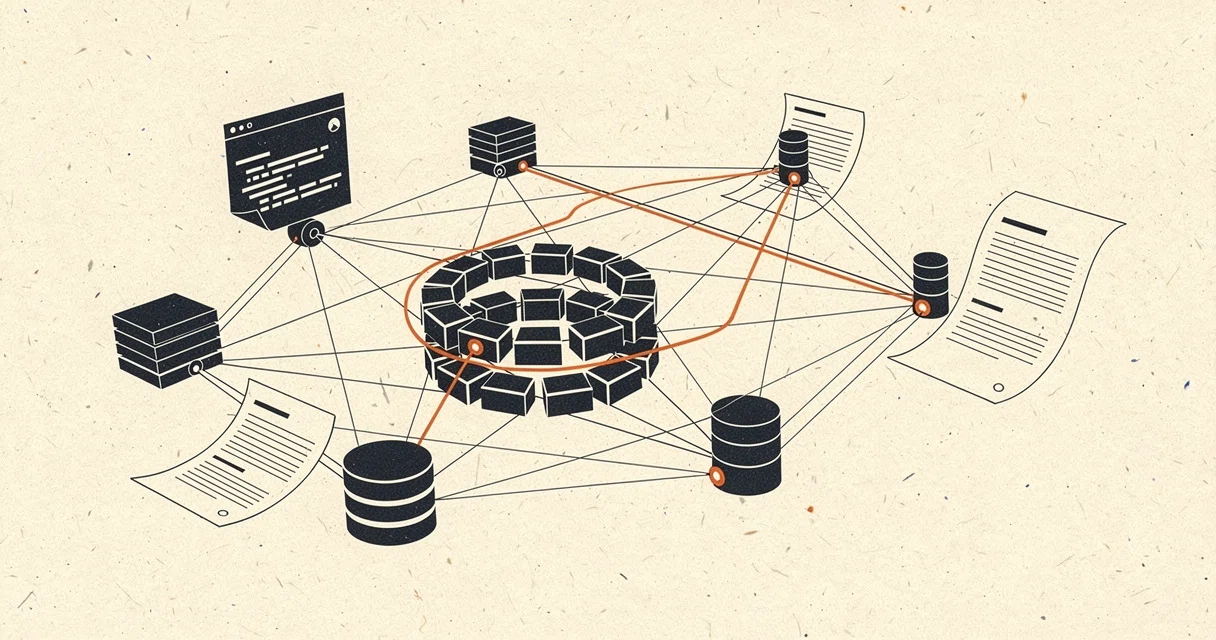
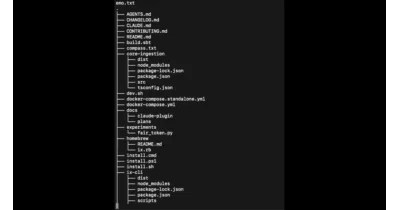
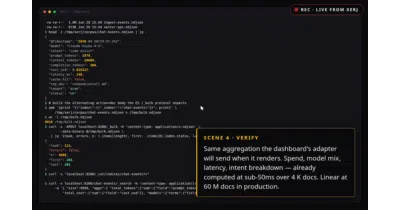
A Rust search engine that auto-indexes folders so AI agents can query code and documents without stuffing their context windows.
A Rust search engine that auto-indexes folders so AI agents can query code and documents without stuffing their context windows.
It gives AI agents complete social media research workflows—outlier detection, comment mining, competitor teardowns—that produce actionable business artifacts instead of raw API responses.
A research platform that fuses CARLA, AirSim, and OpenSim into one Unreal-based sandbox for training autonomous cars, drones, and embodied humans.
When several agents each carry their own copy of the docs, you get several versions of the truth — OpenLore is one governed Markdown source they all read from instead.
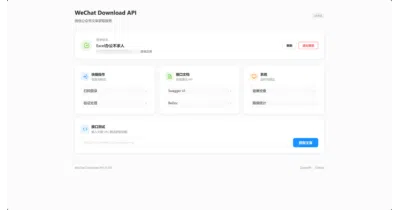
It scrapes WeChat public articles and serves them as RSS, Markdown, and JSON because Tencent won’t.
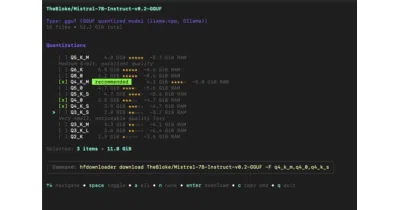
Go CLI that replaces guesswork with an interactive picker for model quantizations, branches, and diffusers components.
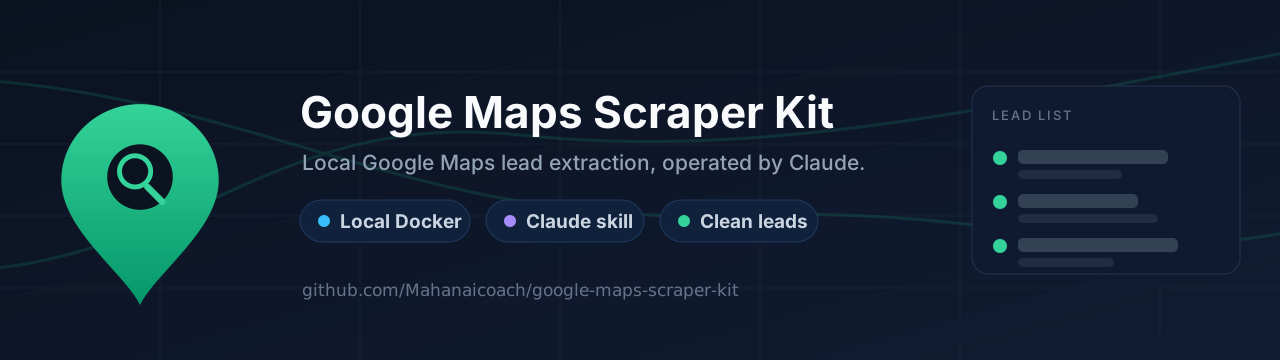
Ask a chat AI to scrape Google Maps and you get a consent wall and zero structured rows; this kit hands Claude a real local scraping engine to drive instead.
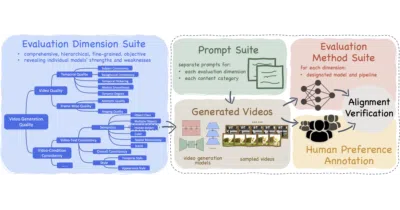
VBench decomposes video generation quality into fine-grained, measurable dimensions with human-aligned automated metrics, letting developers evaluate everything from pixel fidelity to physics realism.
This unofficial rebuild of a Google Research project chains specialized agents to turn rough text and data into publication-ready academic figures.
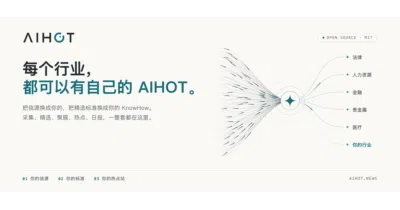
Because one person can't be the expert in every industry, AIHOT open-sources its entire automated newsroom — every prompt and threshold — for anyone to retarget at their own field.
It builds an agent-ready knowledge base over your local files without dragging them into a proprietary workspace.
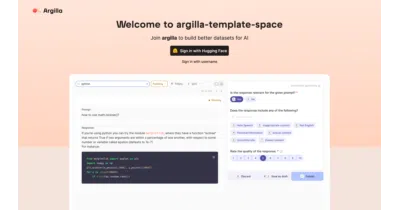
Argilla gives AI engineers and domain experts a shared workspace to iteratively label and clean the data that actually drives model performance.
Modular agent skills that hand LLMs the boring office work—Excel analysis, slide decks, research reports, and infographics—instead of letting them hallucinate about it.
designlang reverse-engineers a live website’s design system from the DOM and emits tokens, configs, and component stubs for any platform.
Agentero is a local-first research workbench that unifies your papers, notes, and AI context so your own agent can actually follow the literature.
Ix builds a persistent symbol graph of your repository so both you and your AI assistant can ask structural questions instead of grepping blind.
Jonex unifies multimodal ingestion, ontology compilation, and source-grounded retrieval into a single governed enterprise platform.
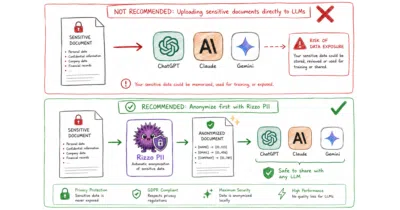
It exists so Italian law firms can use ChatGPT on sensitive documents without ever shipping a codice fiscale off their laptop.
A single Markdown skill file turns AI coding assistants into zero-auth terminals for US and HK equities — with every source audited for legal compliance.
LiteParse gives developers a fast, offline way to extract structured text and bounding boxes from PDFs and Office files, bundling Tesseract OCR and admitting upfront that some documents are simply too messy for local tools.
heatdrop uses Google Analytics to see which pages get read — nothing else. Your call. How we handle data.