LinkedIn Marketing Skills for Claude Code: When Your Growth Stack Lives in a Terminal
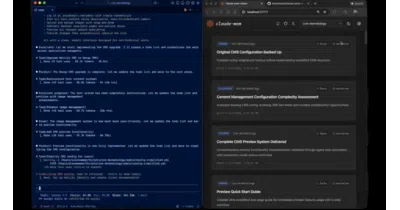
An open-source skill bundle turns Anthropic’s coding agents into a gated, voice-aware LinkedIn marketing team—no dashboard required.
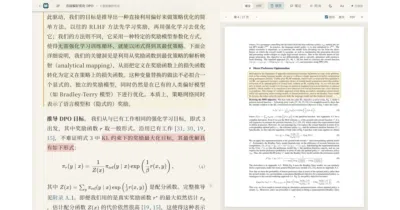
A Chrome extension that treats web pages like a Zhuazhou ritual—select what matters, describe the outcome, and take away an editable file instead of a chat essay.

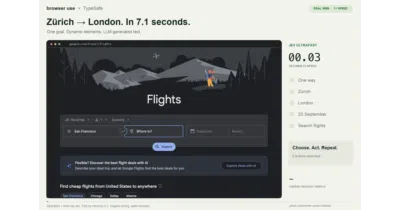
Anything2explainer treats explainer videos as a software engineering problem, using AI coding agents to render every frame in React while demanding a paper trail for every fact.

HeyGen's open-source framework treats HTML as a video timeline, letting AI agents write compositions that render into deterministic MP4s.
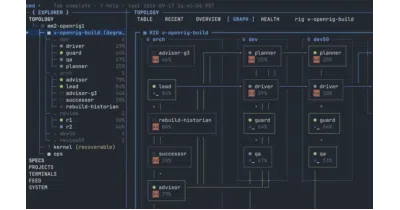
LongHorizon-Harness wraps existing agents in a verification loop that externalizes task state, because the real bottleneck in long-horizon work is not reasoning but bookkeeping.
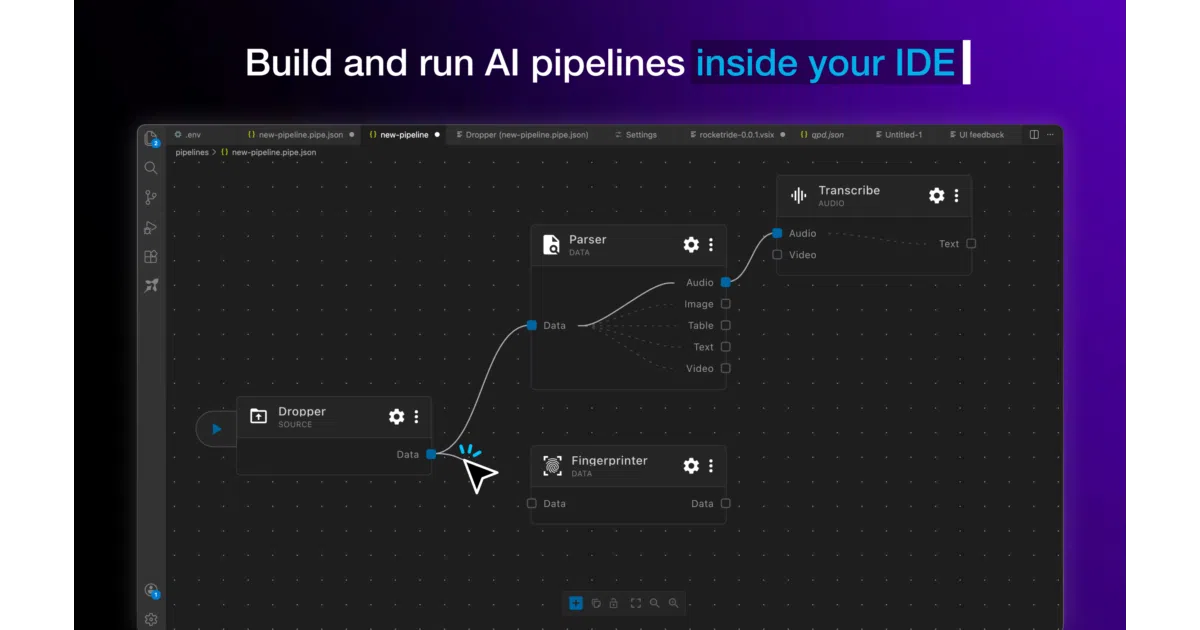
An alpha-grade platform that wraps every browser action, file touch, and MCP call in a policy gateway before the agent ever gets to act.
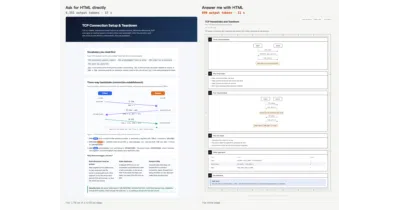
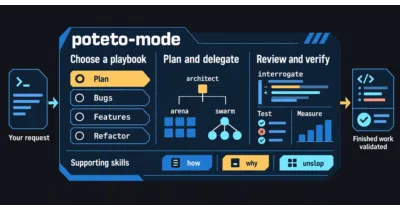
A Claude Code plugin forces LLMs to lead with the answer, number their steps, and never say 'hope this helps'—and in doing so, it exposes how much cognitive overhead chatbots create by default.
Codenotch borrows the credentials already on your Mac to surface real-time usage limits from Claude, Cursor, Codex, and others—no API keys, no dashboards, no surprises.
AutoHarness watches your Claude Code sessions, distills them into native skills, and manages their lifecycle—arguing that the harness around the model matters more than the model itself.

The open-source MiniMind project packs pre-training, RLHF, tool use, and multimodal extensions into a 64-million-parameter model that costs roughly three yuan to train on a single GPU.
Stripped of its Anthropic shackles, this terminal-native agent lets developers switch between OpenAI, Gemini, local Ollama weights, and two hundred other backends mid-session—preserving the original’s tool-driven workflow while refusing vendor lock-in.
This Python pipeline turns long-form video into vertical shorts using local transcription and LLM-powered virality scoring, offering creators a free alternative to the OpusClips of the world.
heatdrop uses Google Analytics to see which pages get read — nothing else. Your call. How we handle data.