01
luongnv89/claude-howto
+381 ★/day↗accelerating
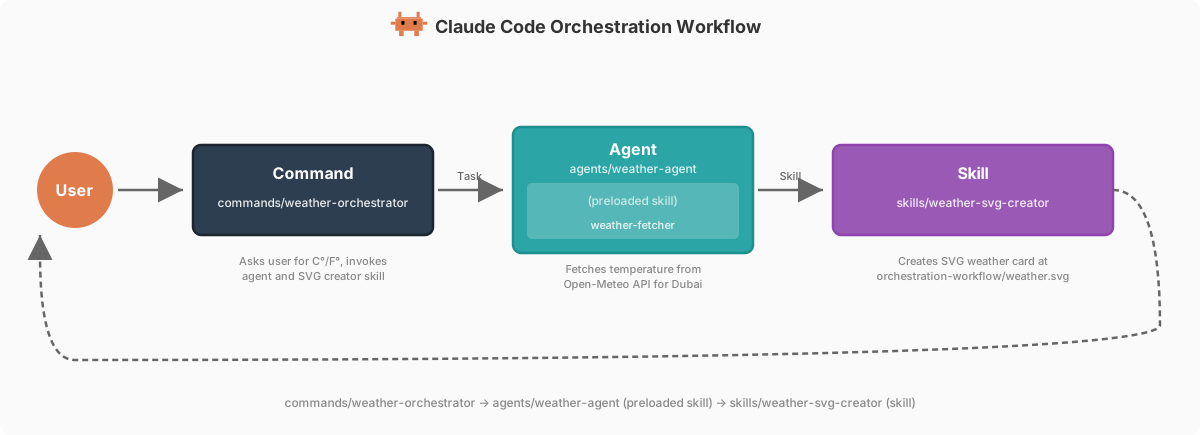
Because the official docs list features, but never show you how to chain them into a production workflow.
Because the official docs list features, but never show you how to chain them into a production workflow.
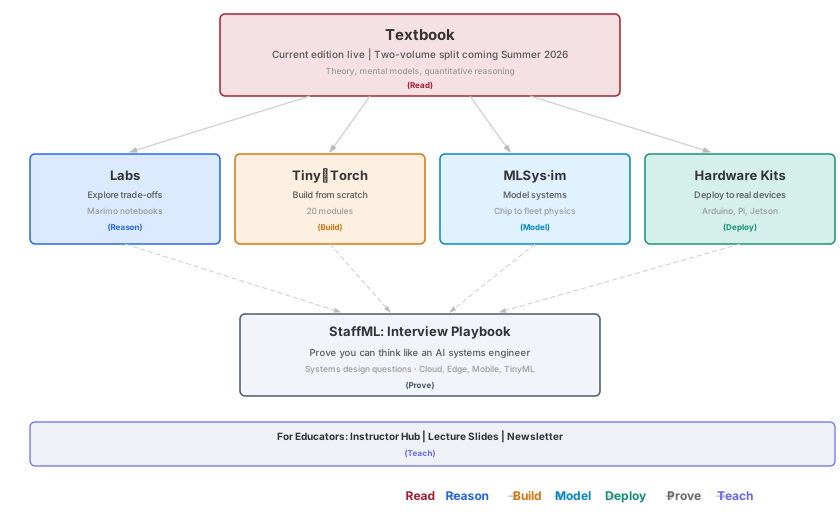
A free, end-to-end ML systems curriculum that treats the repository itself as the course — textbook, build-your-own framework, hardware kits, simulator, and interview prep included.
To turn graduate-level NLP and AI safety lectures into runnable Jupyter notebooks that anyone can break, watermark, or align.
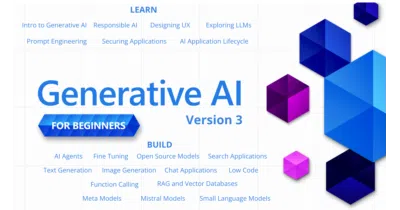
It exists to teach developers how to build generative AI applications through 21 modular lessons that mix conceptual explainers with working Python and TypeScript code.
A readable reference for how classic machine learning actually works under the hood, from backprop to genetic algorithms.
MiniMind is an educational training ground that rebuilds every stage of a modern language model—from tokenizer to RLHF—in raw PyTorch so you can see the gears turning instead of just calling high-level APIs.
A curated field guide for turning Claude Code from a chatty assistant into a repeatable engineering agent.
This repo exists because the LLM learning curve is a scattered mess of blog posts, so it organizes the field into three distinct tracks—fundamentals, scientist, and engineer—each paired with runnable Colab notebooks.
It teaches how LLMs work by implementing tokenization, attention, pretraining, and finetuning in pure PyTorch, one notebook at a time.
It rounds up hundreds of AI project links so you don't have to hunt them down yourself.
A curated directory of software, plugins, and frameworks that integrate with the DeepSeek API, maintained by DeepSeek itself.
A massive collection of extracted system prompts and internal models from more than two dozen commercial AI coding agents and assistants.
A curated registry of reusable instruction packages that keep Claude and other agents from reinventing the wheel on every task.
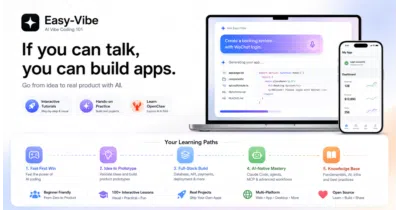
It is a free, multi-stage curriculum that teaches beginners how to turn conversational prompts into shipping products using AI IDEs and agents.
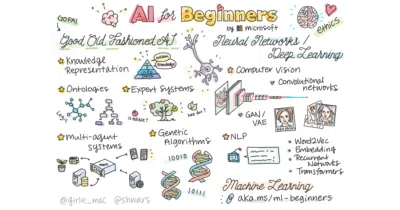
A structured 12-week curriculum that teaches symbolic AI, neural nets, and even genetic algorithms—without pretending deep math or cloud ML don't exist.
Google Research releases all its code and datasets in one place, which has grown so large that the README treats a full clone as a hazard.
The team behind E2B maintains this sprawling index because nobody can keep track of autonomous agents anymore.
To teach developers agent engineering from scratch using smolagents, LangGraph, and LlamaIndex, capped by an automated benchmark.
Most ML tutorials end at training; this course walks you through the engineering required to actually ship it.
Official Python notebooks and guides for common OpenAI API tasks.
heatdrop uses Google Analytics to see which pages get read — nothing else. Your call. How we handle data.