01
yi1108/printfilm
+76% /wk +752 ★/day↗accelerating
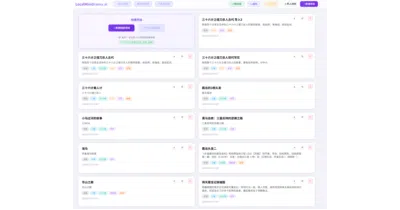
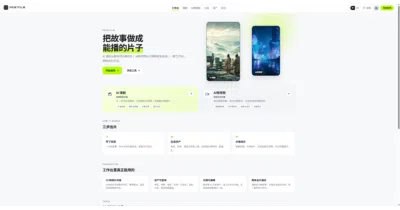
PRINTFILM exists so you can self-host a complete AI short-video factory—from script to voiced final cut—with user accounts, templates, and billing included.
PRINTFILM exists so you can self-host a complete AI short-video factory—from script to voiced final cut—with user accounts, templates, and billing included.
A compact DiT-based model that unifies text-to-image generation, transparent cutouts, and multi-reference editing under one 7B-parameter checkpoint.
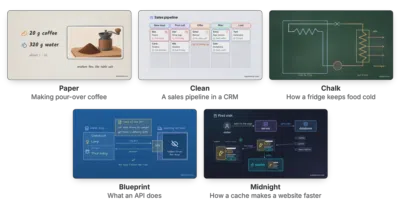
A Claude Code / Codex skill that automates the entire film pipeline, using Remotion to turn research and narration into deterministic 720p motion graphics with TTS voiceover.
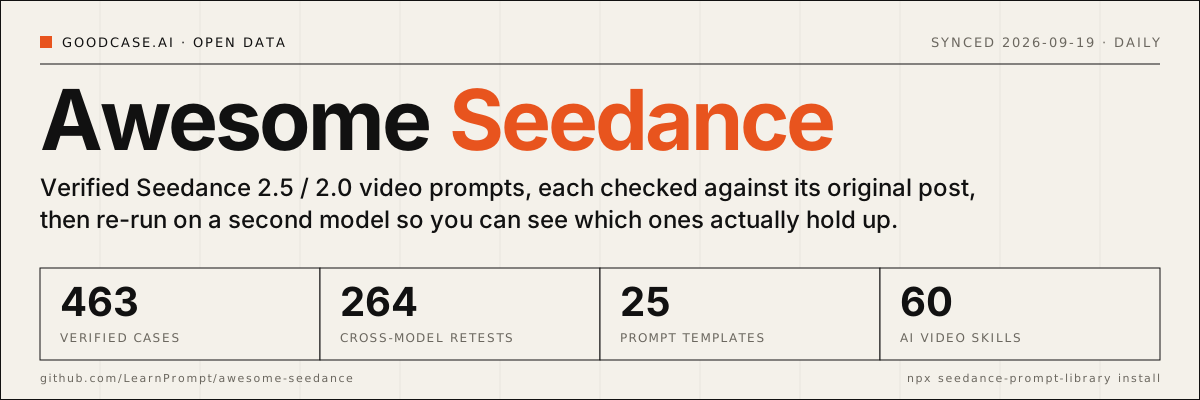
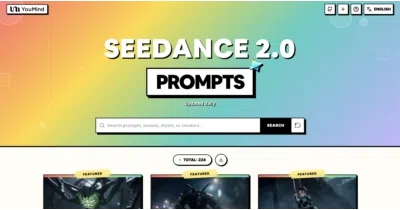
A verified prompt library for ByteDance's Seedance video generator, cross-checked against original posts and retested across models.
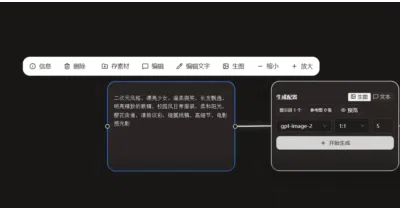
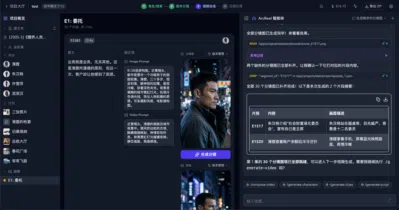
It wires an infinite whiteboard directly into an AI film pipeline so solo creators can script, storyboard, generate, and rough-cut without tab-hopping.
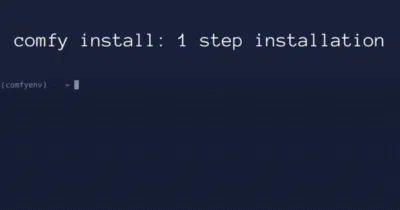
comfy-cli treats ComfyUI like the server software it is: installable, scriptable, and manageable from a terminal instead of a browser tab.
mimi listens to system audio — not your microphone — and floats live translated subtitles over whatever's playing, so films, streams, and lessons get captions they never shipped with.
An agent skill that forces you to approve the visual metaphor and static layout before it spends your Gemini credits on video generation.
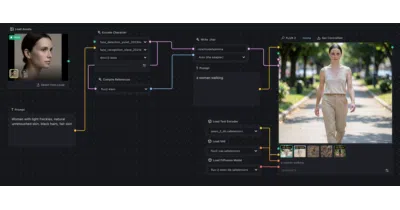
A self-hostable infinite canvas that wires AI image generation, reference editing, and chat into one collaborative workspace.
Because shipping voice features on Mac and iOS shouldn’t require cloud contracts or API keys.
LocalMiniDrama wires your API keys into a Vue+Electron pipeline that turns story outlines into short-form AI video without shipping data to anyone else's cloud.
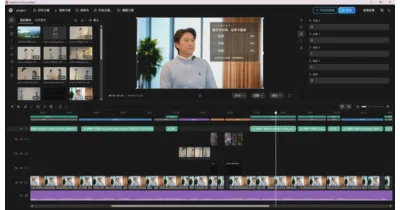
gtrk is a CLI built for agent Skills: describe the edit you want, and it assembles a real, multi-track project you can keep refining.
OmniChar Studio packages a character's face, body, and wardrobe into a portable `.char` file that stays consistent across models — and trains the LoRAs to back it up.
Over 3,600 community-curated prompts for ByteDance's Seedance 2.0, treating AI video generation less like prompting and more like micro-screenwriting.
explainroo hands Claude Code or Codex a local TTS, word-timing and canvas pipeline so it can turn a script into a finished MP4 — no API keys, no cloud rendering.
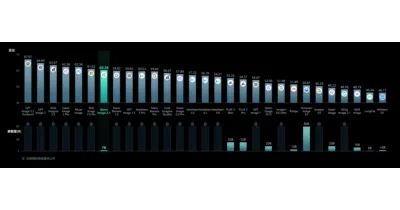
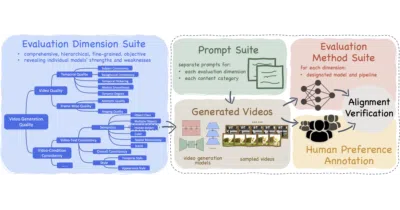
VBench decomposes video generation quality into fine-grained, measurable dimensions with human-aligned automated metrics, letting developers evaluate everything from pixel fidelity to physics realism.
It bundles the entire AI drama workflow—script, storyboard, voice, and final cut—into a single pipeline you can host yourself.
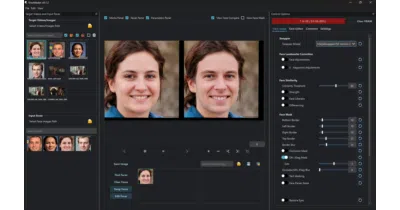
VisoMaster wraps face-swapping pipelines in a point-and-click interface, complete with live preview and webcam streaming.
Maestro is a local creative suite that uses a built-in LLM to plan, shoot, and edit multi-clip music videos and short films without sending anything to the cloud.
It pipelines novels into short videos using AI agents that remember faces, props, and scenes across shots.
heatdrop uses Google Analytics to see which pages get read — nothing else. Your call. How we handle data.