01
yetone/magpie
+2900 ★/day↗accelerating
Because editing a dozen config files just to try a new model is a waste of keystrokes.
Because editing a dozen config files just to try a new model is a waste of keystrokes.
A ruleset that treats every line of generated code as an admission of defeat.
RocketRide exists because wiring LLM workflows shouldn't require leaving your IDE or surrendering your data to a cloud dashboard.
Hallmark is a design skill that stops Claude, Cursor, and Codex from producing the same generic AI slop.
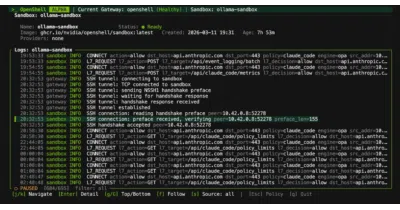
A Rust-based runtime that sandboxes autonomous agents with declarative YAML policies and hot-reloadable network controls.
Impeccable exists to stop AI coding assistants from defaulting to the same handful of SaaS-template tells—Inter everywhere, nested cards, purple gradients—by giving them a curated design vocabulary and 27 deterministic anti-pattern rules.
Open-source role templates that teach Claude your team's tools, terminology, and workflows so you stop repeating yourself.
Headroom sits between your agents and the LLM to compress tool outputs, logs, and RAG chunks, delivering the same answers with a fraction of the tokens.
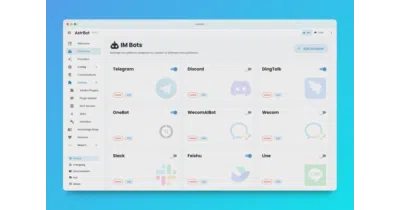
It is an open-source bridge between large language models and the instant messaging apps you already tolerate.
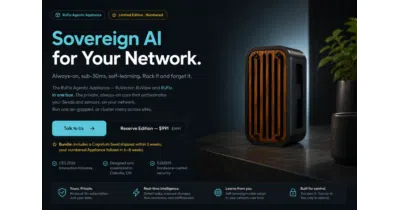
Ruflo turns Claude Code from a solo assistant into a coordinated swarm with shared memory, plugins, and cross-machine federation.
oMLX exists because running local LLMs on a Mac shouldn't mean choosing between a slick GUI and granular control over memory and caching.
SkillSpector scans AI agent skills for backdoors and malicious patterns before installation, because they currently execute with implicit trust and minimal vetting.
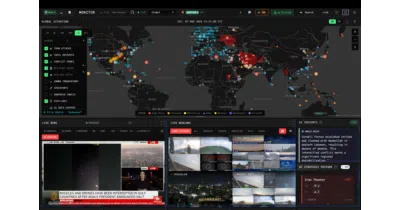
It corrals 500+ news feeds and dozens of data streams into one dashboard so you can monitor geopolitical, financial, and infrastructure signals without sending everything to a cloud LLM.
An AI job-search filter that scores listings, tailors your CV per role, and tracks the pipeline so you only apply to jobs worth keeping.
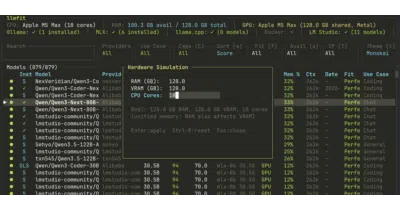
A terminal tool that scores hundreds of local LLMs against your actual hardware so you stop downloading models that won't fit.
It strips the telltale signs of AI-generated writing from text, replacing statistical blandness with prose that sounds like it came from a person.
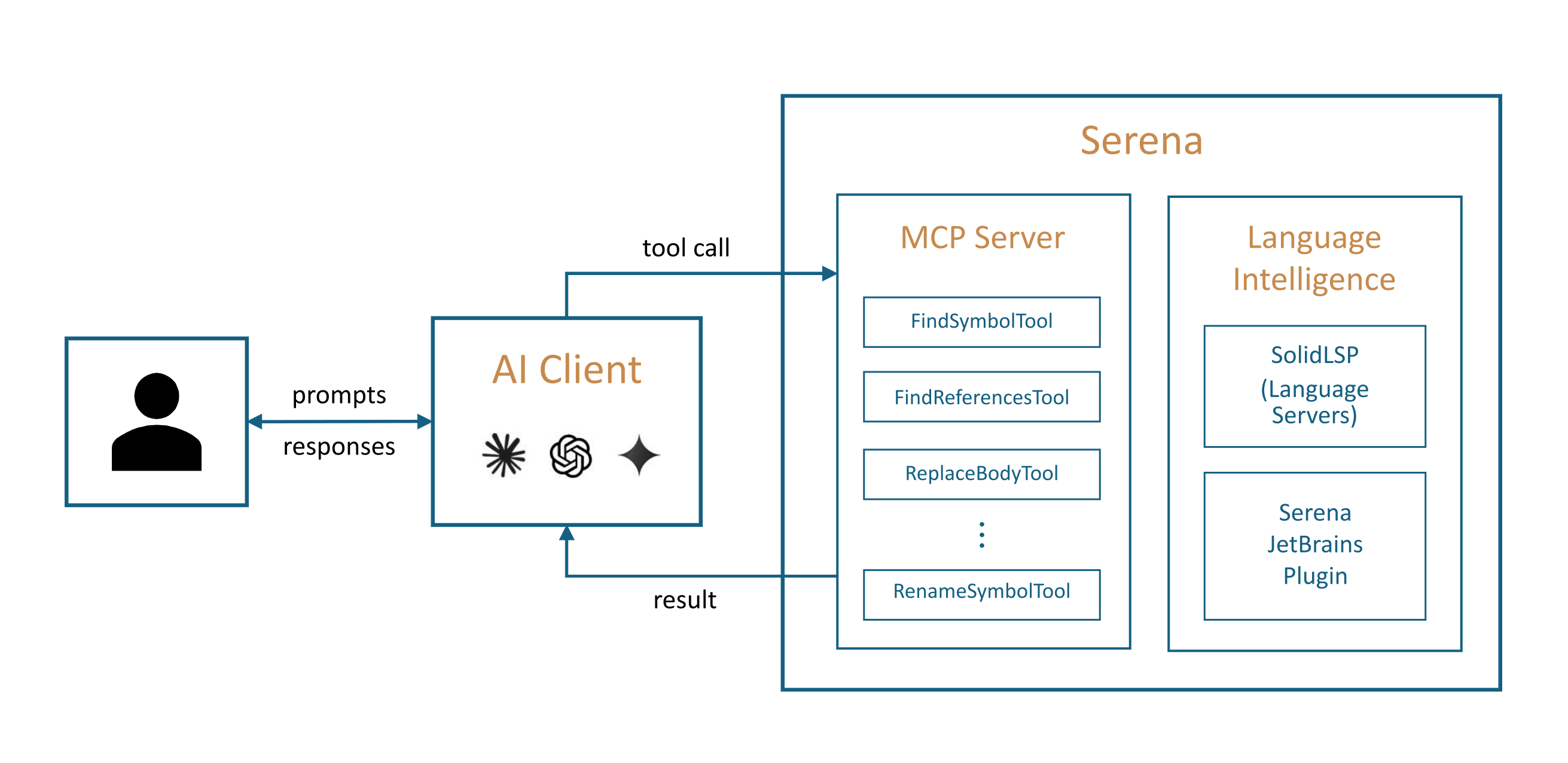
An MCP toolkit that lets coding agents manipulate code by symbols and relationships instead of praying regex doesn't blow up the codebase.
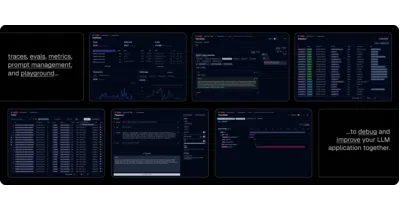
Langfuse gives teams a shared place to trace, evaluate, and version the prompts that are currently scattered across notebooks and Slack threads.
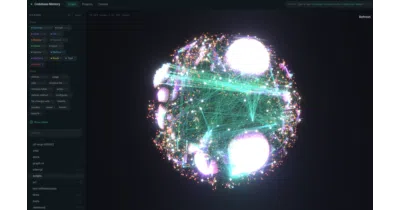
An MCP server that turns your entire codebase into a queryable knowledge graph, running locally with zero dependencies to cut AI agent token usage by 99%.
Because no single AI has API access to every platform, this skill lets your agent search Reddit, X, TikTok, and Polymarket in parallel and score results by human engagement.
heatdrop uses Google Analytics to see which pages get read — nothing else. Your call. How we handle data.