01
mattpocock/skills
+3379 ★/day↗accelerating
Composable prompt recipes that force coding agents to align, test, and architect instead of blindly generating code.
Composable prompt recipes that force coding agents to align, test, and architect instead of blindly generating code.
Because editing a dozen config files just to try a new model is a waste of keystrokes.
Moli is a standalone Rust headless browser that avoids continuous rendering by computing layout and paint only when an operation explicitly demands geometry or pixels.
A ruleset that treats every line of generated code as an admission of defeat.
OmniRoute keeps your coding agents online by automatically failing over across 177 AI providers—including free tiers—when quotas run dry.
RocketRide exists because wiring LLM workflows shouldn't require leaving your IDE or surrendering your data to a cloud dashboard.
A Claude Code framework that automates job hunting with fit scoring, LaTeX document tailoring, and a two-agent review loop.
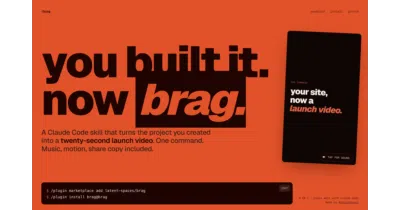
The gap between 'it works' and 'anyone knows it works' is usually a launch video nobody wants to make — so this agent skill makes it for you.
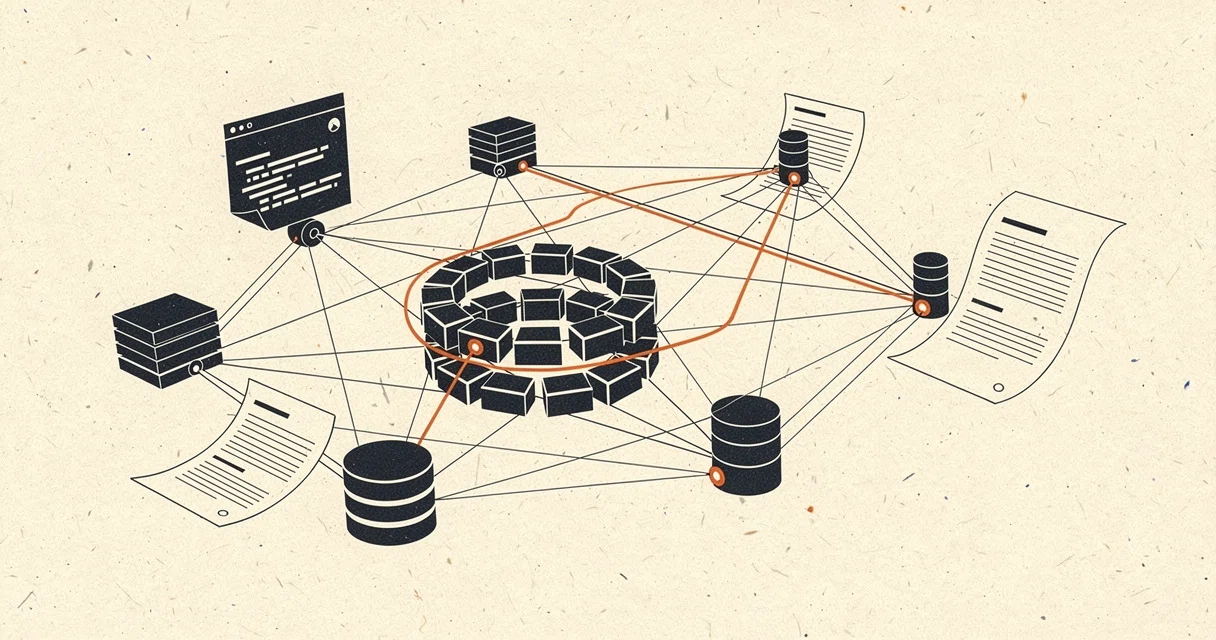
Graphify builds a queryable knowledge graph from your whole project so AI assistants can answer architecture questions without grepping raw files.
It is an open-source agent harness that treats every component as a plugin, built on an academic framework called Cordis.
Hallmark is a design skill that stops Claude, Cursor, and Codex from producing the same generic AI slop.
Claude SEO turns Claude Code into a parallel army of 18 specialist agents that audit websites against Google's own guidance—and every recommendation comes with a built-in falsifiability check.
Impeccable exists to stop AI coding assistants from defaulting to the same handful of SaaS-template tells—Inter everywhere, nested cards, purple gradients—by giving them a curated design vocabulary and 27 deterministic anti-pattern rules.
A Claude Code template that turns one chat session into a structured game dev team with hierarchy, slash commands, and enough process to maybe stop you from hardcoding magic numbers.
ego lite is a macOS browser that isolates AI agents in parallel Spaces so they can automate the web with your real logins while your tabs stay untouched.
It gives your terminal an AI pair programmer that can either build freely or explore cautiously without touching your files.
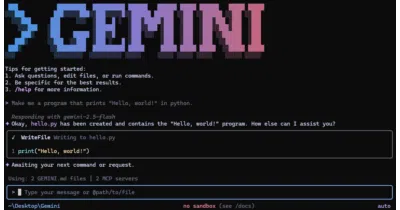
Gemini CLI is Google's bet that developers want an AI agent that actually lives in their shell, not just chats in a browser tab.
It breaks the vendor lock on Codex and Claude Code by translating their API calls to any LLM backend you choose.
It gives AI coding assistants a structured taste filter, mapping vague project descriptions to industry-specific colors, fonts, and anti-patterns.
A library of domain-specific system prompts that turns generic AI assistants into specialized team members with job descriptions, workflows, and communication styles.
heatdrop uses Google Analytics to see which pages get read — nothing else. Your call. How we handle data.