wx-chevalier/AI-Notes
A Chinese encyclopedia of AI: 781 stars, zero hype
A sprawling, bilingual knowledge base that treats deep learning as a liberal art—math, history, philosophy, and Jupyter notebooks included.
Not currently ranked — collecting fresh signals.
star history
What it does
This is a curated learning archive for artificial intelligence and deep learning, maintained in Chinese with English terminology. It spans six major threads: mathematics fundamentals, machine learning, deep learning, NLP, toolkits (Scikit-learn, TensorFlow, PyTorch), and industry applications. Most practical content lives as Jupyter Notebooks meant to run in Colab.
The interesting bit
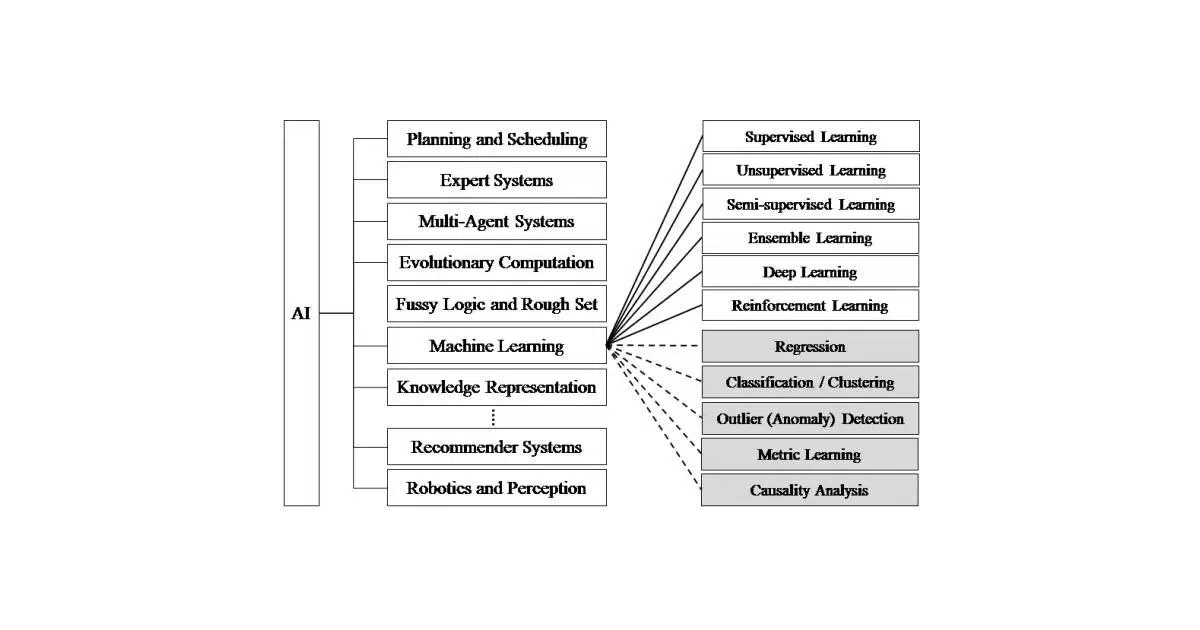
The author refuses to treat AI as a mere engineering skill. You get a history lecture (Dartmouth 1956, the AI winters, the fifth-generation computer flop) before you ever see import tensorflow. The taxonomy section even drags in philosophy of mind—ANI, AGI, ASI—like a CS department that hired a skeptical humanities professor.
Key highlights
- Bilingual structure: Chinese prose with English technical terms, making it usable for cross-language learners
- Notebook-first tooling section, designed for Colab execution rather than local setup headaches
- Explicit learning path: math → ML → DL → NLP → tools, with split-out sibling repos for each track
- Historical framing: contextualizes every technique with its commercial or academic failure/success cycle
- CC BY-NC-SA 4.0 license—open to read, closed to commercial resale
Caveats
- The README is a navigation page, not a table of contents; you must click through to sibling repos to assess actual depth
- 781 stars suggests modest reach; unclear how actively maintained the notebook content is
- No visible CI, testing, or version pinning for the Colab environments—expect bitrot
Verdict
Worth bookmarking if you’re a Chinese-speaking developer building a systematic AI curriculum from scratch, or if you want historical context most MOOCs skip. Skip it if you need a quick reference or production-ready code; this is a textbook, not a cookbook.
Frequently asked
- What is wx-chevalier/AI-Notes?
- A sprawling, bilingual knowledge base that treats deep learning as a liberal art—math, history, philosophy, and Jupyter notebooks included.
- Is AI-Notes open source?
- Yes — wx-chevalier/AI-Notes is an open-source project tracked on heatdrop.
- What language is AI-Notes written in?
- wx-chevalier/AI-Notes is primarily written in Jupyter Notebook.
- How popular is AI-Notes?
- wx-chevalier/AI-Notes has 785 stars on GitHub.
- Where can I find AI-Notes?
- wx-chevalier/AI-Notes is on GitHub at https://github.com/wx-chevalier/AI-Notes.