hankcs/CS224n
Stanford's NLP course, frozen in 2017 amber
Completed homework assignments for a legendary deep-learning course, pinned to Python 2.7 and TensorFlow 1.2.
Not currently ranked — collecting fresh signals.
star history
What it does This repo holds one student’s worked solutions to Stanford’s CS224n (Winter 2017), covering three assignments’ worth of foundational NLP: word2vec, sentiment analysis, dependency parsing, NER with window models and RNNs, and GRU variants. Each folder contains the code plus training logs and confusion matrices showing exactly what scores were achieved.
The interesting bit The README doesn’t just list topics—it pastes the actual terminal output, so you can see the parser hit 88.92 UAS and the NER F1 scores climb from 0.84 to 0.85 as models get fancier. It’s a time capsule of what “state of the art” student homework looked like when TensorFlow was young and GRUs were still exciting enough to merit a section called “Grooving with GRUs.”
Key highlights
- Assignment 1: softmax from scratch, neural net basics, word2vec implementation, sentiment classifier
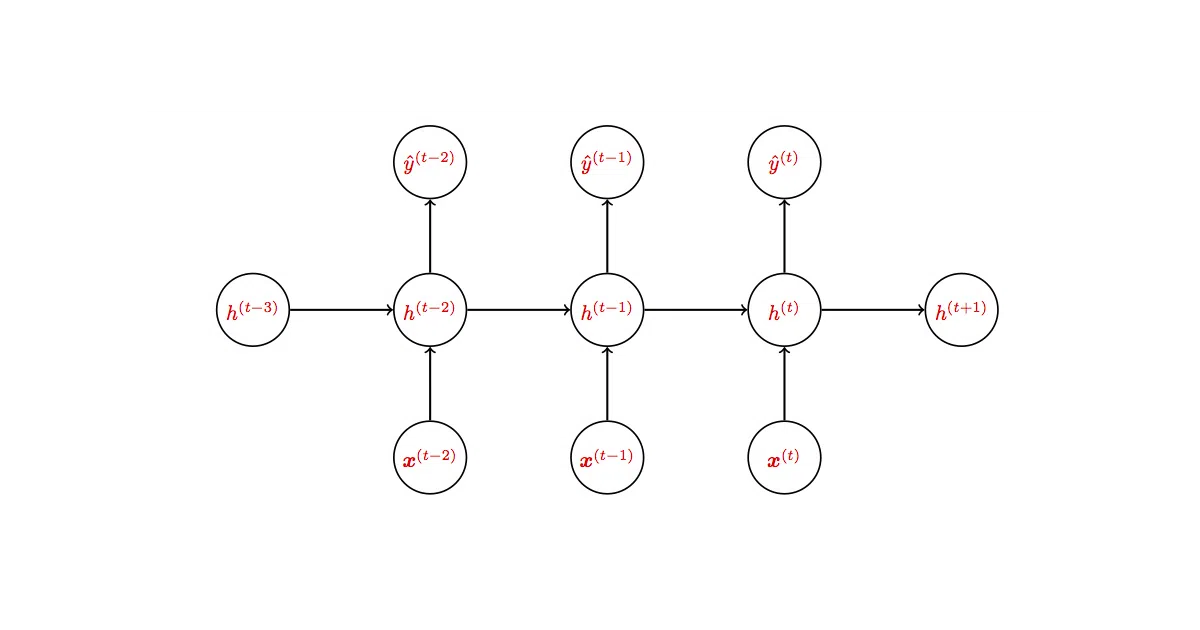
- Assignment 2: TensorFlow softmax, transition-based dependency parser (88.54 dev UAS), unrolled RNN for language modeling
- Assignment 3: NER via window model (0.84 entity F1), RNN (0.85), and GRU with/without gradient clipping—plus an “Easter Egg Hunt” dynamical-systems visualization
- Dependencies frozen at Python 2.7 and TensorFlow r1.2
- Code borrows from two other student repos, credited in references
Caveats
- Requires Python 2.7, which reached end-of-life in 2020
- TensorFlow 1.2 is archaeologically distant from modern TF/PyTorch; expect dependency archaeology to run anything
- No license file present; unclear if this is meant for reuse or just reference
Verdict Worth a skim if you’re studying NLP history or need to see how word2vec and early RNNs were taught before transformers ate everything. Skip it if you want runnable, modern code—this is a museum piece, not a toolkit.
Frequently asked
- What is hankcs/CS224n?
- Completed homework assignments for a legendary deep-learning course, pinned to Python 2.7 and TensorFlow 1.2.
- Is CS224n open source?
- Yes — hankcs/CS224n is open source, released under the GPL-3.0 license.
- What language is CS224n written in?
- hankcs/CS224n is primarily written in Python.
- How popular is CS224n?
- hankcs/CS224n has 689 stars on GitHub.
- Where can I find CS224n?
- hankcs/CS224n is on GitHub at https://github.com/hankcs/CS224n.