worldwonderer/novel-to-game
Turning Books Into Games Without Losing the Plot
A toolkit of seven agent skills that forces Claude, Codex, and Kimi to turn novels into playable games with cited sources and evidence-based QA instead of hallucinated plot summaries.
Collecting fresh signals — velocity needs a few days of history.
collecting data…
star history
What it does
NovelToGame is a set of seven interlocking agent skills for Claude Code, Codex, and Kimi Code. Feed it a novel and it stages the adaptation through source analysis, concept selection, world design, art direction, build, and QA, producing a runnable game plus a full paper trail. The generated artifacts—PRODUCT_BRIEF.md, SOURCE_BIBLE.md, GAME_DESIGN.md, and others—keep every design decision traceable and prevent the agent from quietly turning your epic into a clickable plot summary.
The interesting bit
The toolkit treats “source-grounded” as a hard constraint. It extracts rules, spaces, and character agency with citations, then forces the agent to justify player verbs, systems, and failure states against actual source evidence. QA is equally rigid: it demands screenshots, state-change verification, and complete playthroughs before release, sending failed builds back for repair rather than shipping them.
Key highlights
- Seven specialized skills orchestrate the pipeline, from
novel-game-analyze(cited source extraction) togame-qa(execution evidence and screenshot verification). - Target-runtime fidelity: the agent builds for the approved engine or platform without silently falling back to an easier substitute.
- Optional, restrained voice synthesis: build-time TTS is provider-neutral and requires line-level rights, local audio, subtitles, and human listening review before release.
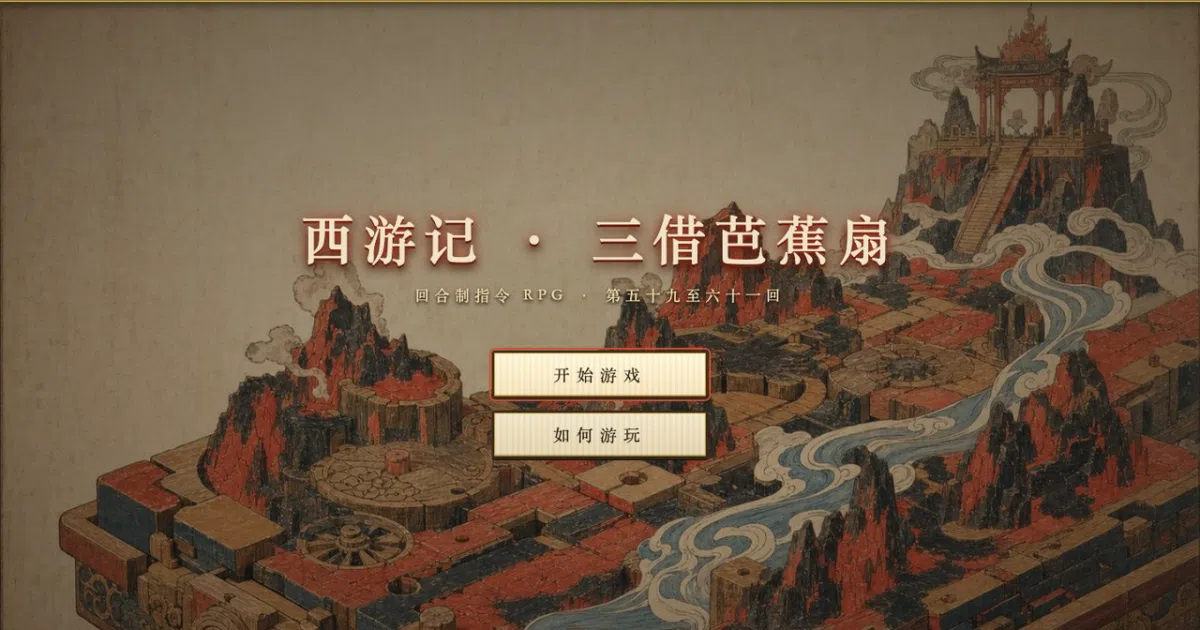
- Shipped examples include a first-person 3D photography game adapted from The Lost World, a turn-based systems RPG from Journey to the West, and an 18+ relationship strategy game from Jin Ping Mei.
- Core design documents remain engine-agnostic; only the final build stage targets a specific runtime.
Verdict
Worth exploring if you want AI agents to finish playable prototypes instead of hallucinating design docs and calling it shipped. Skip it if you need a standalone engine or have no patience for reviewing adaptation paperwork.
Frequently asked
- What is worldwonderer/novel-to-game?
- A toolkit of seven agent skills that forces Claude, Codex, and Kimi to turn novels into playable games with cited sources and evidence-based QA instead of hallucinated plot summaries.
- Is novel-to-game open source?
- Yes — worldwonderer/novel-to-game is open source, released under the MIT license.
- What language is novel-to-game written in?
- worldwonderer/novel-to-game is primarily written in Markdown.
- How popular is novel-to-game?
- worldwonderer/novel-to-game has 534 stars on GitHub.
- Where can I find novel-to-game?
- worldwonderer/novel-to-game is on GitHub at https://github.com/worldwonderer/novel-to-game.