wanikua/danghuangshang
Rule an AI empire from your terminal, Ming-dynasty style
A multi-agent orchestration framework that maps ancient Chinese bureaucracy onto modern LLM teams.
Not currently ranked — collecting fresh signals.
star history
What it does
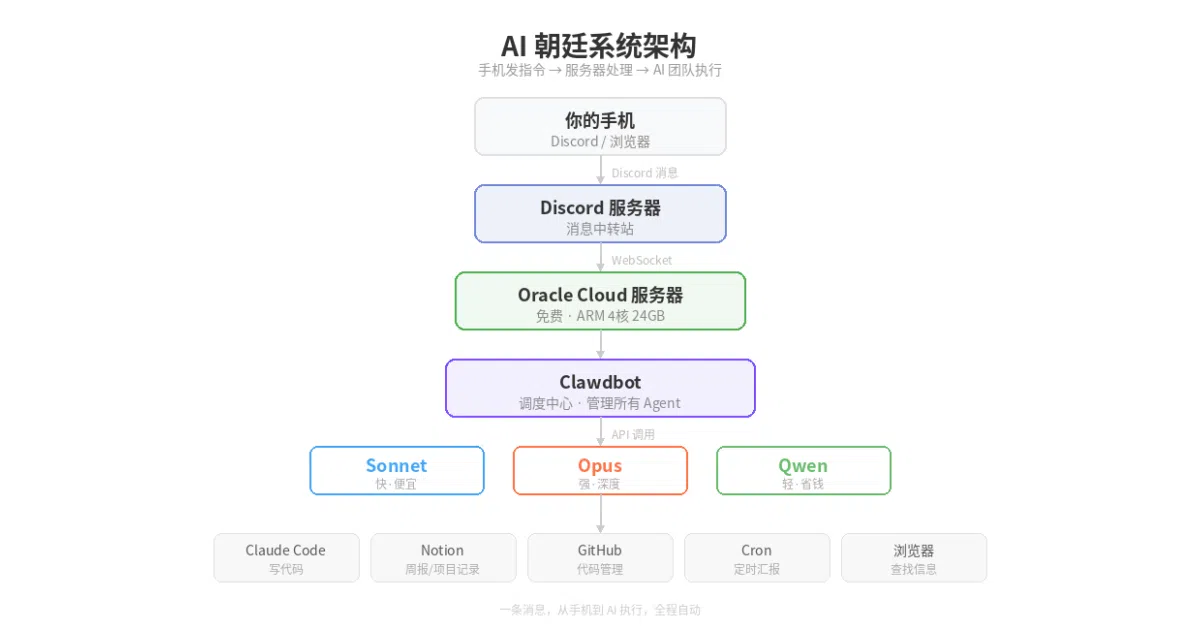
Danghuangshang (“Be the Emperor”) is a deployment template and tutorial for running a multi-agent AI system through Discord or Feishu. You pick a government structure—Ming-dynasty cabinet, Tang-dynasty three departments, or modern C-suite—and get a fleet of role-playing bots that handle software engineering, finance, marketing, DevOps, and code review. The README is almost entirely in Chinese, with English and Japanese versions linked separately.
The interesting bit
The project doesn’t build a new agent framework; it builds bureaucracy on top of OpenClaw (and optionally Hermes Agent). Each “ministry” is a prompt-injected bot with a job description cribbed from imperial China: the Ministry of War codes, the Ministry of Revenue manages budgets, the Censorate audits your GitHub pushes. It’s workflow automation dressed in dragon robes, and the conceit is thorough enough that the README includes a “switch regime” script to coup your own setup.
Key highlights
- Three switchable org charts: Ming (18 agents, fast iteration), Tang (14 agents, checks-and-balances), or Modern Enterprise (14 agents, English-language)
- One-command install via curl, plus a lite mode if you already run OpenClaw
- Discord multi-bot mode with a documented safety rail: bots only respond to @mentions from other bots to prevent message storms
- 60+ “skills” and cron scheduling; includes a sandboxed execution environment
- Optional Hermes Agent runtime for teams who prefer Python and native platform integrations
Caveats
- The project is essentially a curated prompt pack and install script for OpenClaw; the heavy lifting is upstream
- README contains an originality dispute with another repo (Edict) and a prominent “rights protection” notice that may raise eyebrows
- Windows support is PowerShell-only and less tested; the authors explicitly tell beginners not to install on personal computers
Verdict
Grab this if you manage remote AI workflows and want a memorable, role-based way to delegate tasks across a team of LLMs. Skip it if you need a from-scratch agent framework or if imperial Chinese metaphor doesn’t improve your sprint retrospectives.
Frequently asked
- What is wanikua/danghuangshang?
- A multi-agent orchestration framework that maps ancient Chinese bureaucracy onto modern LLM teams.
- Is danghuangshang open source?
- Yes — wanikua/danghuangshang is open source, released under the MIT license.
- What language is danghuangshang written in?
- wanikua/danghuangshang is primarily written in TypeScript.
- How popular is danghuangshang?
- wanikua/danghuangshang has 2.7k stars on GitHub.
- Where can I find danghuangshang?
- wanikua/danghuangshang is on GitHub at https://github.com/wanikua/danghuangshang.