tjwei/GANotebooks
GAN archaeology: one repo, three frameworks, many notebooks
A single developer's reference implementations of every major GAN variant, ported across Lasagne, Keras, and PyTorch.
Not currently ranked — collecting fresh signals.
star history
What it does
This is a personal collection of Jupyter notebooks implementing core GAN variants—DCGAN, WGAN, WGAN-GP, InfoGAN, CycleGAN, and pix2pix—written in Lasagne, Keras, and PyTorch. Each variant has at least one working notebook, often several. The README is sparse, but the results are documented with training times and hardware specs (GTX 1080, 3 hours 58 epochs for one CycleGAN run).
The interesting bit
The real value is the cross-framework comparison. Want to see how WGAN-GP feels in Keras versus PyTorch? It’s here, side by side, with the same datasets. That makes this less a production tool and more a Rosetta Stone for GAN archaeology—useful when you’re translating a 2017 Lasagne implementation to modern PyTorch.
Key highlights
- CycleGAN, pix2pix, WGAN, WGAN2 (improved/GP), InfoGAN, and DCGAN all covered
- Multiple framework ports: Lasagne, Keras, PyTorch—sometimes all three for one variant
- Training artifacts included: sample outputs from CIFAR-10, MNIST, anime faces, edges-to-shoes, facades
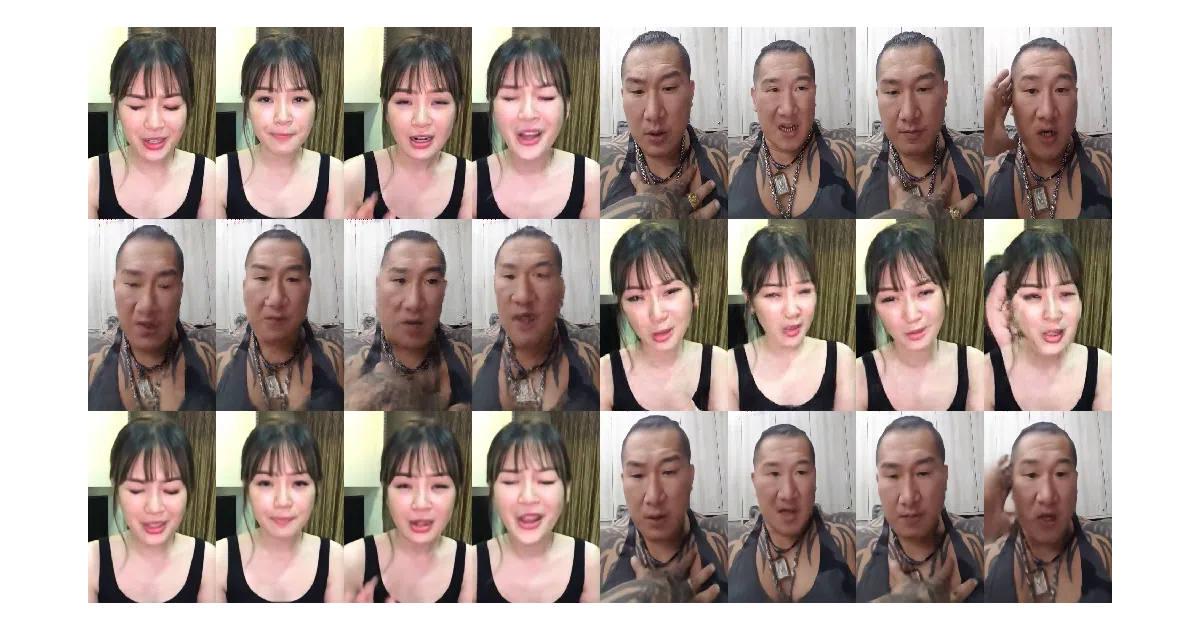
- One CycleGAN result includes a YouTube video of face conversion
- InfoGAN includes both a standard and “paper-uniform” variant
Caveats
- “Most codes are for python3, most notebooks works on”—the README literally trails off mid-sentence
- Lasagne is effectively a dead framework; those notebooks are historical curiosities now
- No installation instructions, dependency lists, or tested environment specs provided
Verdict
Grab this if you’re researching GAN evolution, porting old implementations, or need a quick sanity-check against a known-working baseline. Skip it if you want maintained, production-ready code with docs.
Frequently asked
- What is tjwei/GANotebooks?
- A single developer's reference implementations of every major GAN variant, ported across Lasagne, Keras, and PyTorch.
- Is GANotebooks open source?
- Yes — tjwei/GANotebooks is open source, released under the MIT license.
- What language is GANotebooks written in?
- tjwei/GANotebooks is primarily written in Jupyter Notebook.
- How popular is GANotebooks?
- tjwei/GANotebooks has 1.5k stars on GitHub.
- Where can I find GANotebooks?
- tjwei/GANotebooks is on GitHub at https://github.com/tjwei/GANotebooks.