tirthajyoti/Stats-Maths-with-Python
A thousand-star statistics course hiding in plain sight
Jupyter notebooks that teach the math data scientists actually need, from set theory to regression diagnostics.
Not currently ranked — collecting fresh signals.
star history
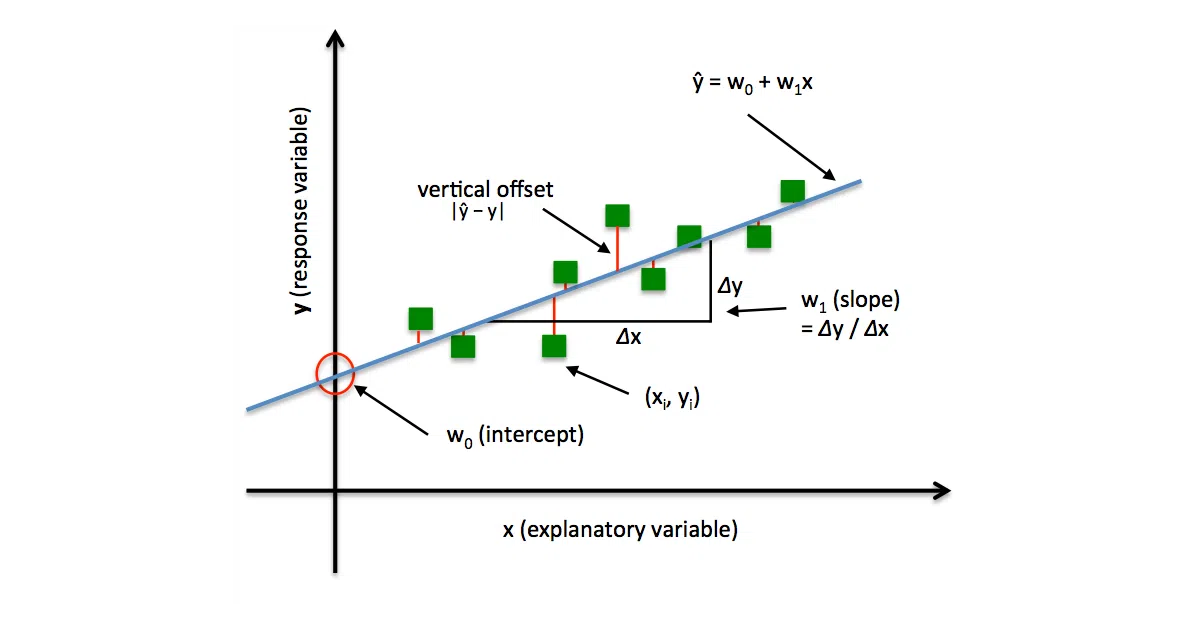
What it does A curated collection of Jupyter notebooks covering statistics, mathematical programming, and numerical computing in Python. Topics range from set algebra and combinatorics through probability distributions, linear regression methods, hypothesis testing, and regression diagnostics. The author also reimplements R-style statistical functions in Python for the bilingual crowd.
The interesting bit This is essentially a free, self-paced statistics curriculum built around executable code rather than lectures. The R-to-Python translation notebook is a nice touch for teams migrating between ecosystems.
Key highlights
- Discrete probability distributions with visualizations
- Linear regression methods plus diagnostics (not just “here’s
fit()”) - R-style statistical functions reimplemented in Python
- Hypothesis testing introduction
- Accompanying Medium articles for deeper context
Caveats
- README is a flat list with no clear progression path; you’ll need to pick your own adventure
- Some external image links look dated (SlidePlayer, EFGH.com) and may decay
- Python 3.6+ requirement listed; unclear if notebooks have been modernized for current library versions
Verdict Great for self-learners who want to run and tweak statistical examples rather than just read about them. Skip if you need a structured course with exercises and solutions.
Frequently asked
- What is tirthajyoti/Stats-Maths-with-Python?
- Jupyter notebooks that teach the math data scientists actually need, from set theory to regression diagnostics.
- Is Stats-Maths-with-Python open source?
- Yes — tirthajyoti/Stats-Maths-with-Python is open source, released under the MIT license.
- What language is Stats-Maths-with-Python written in?
- tirthajyoti/Stats-Maths-with-Python is primarily written in Jupyter Notebook.
- How popular is Stats-Maths-with-Python?
- tirthajyoti/Stats-Maths-with-Python has 1k stars on GitHub.
- Where can I find Stats-Maths-with-Python?
- tirthajyoti/Stats-Maths-with-Python is on GitHub at https://github.com/tirthajyoti/Stats-Maths-with-Python.