stanfordnlp/GloVe
The original word-vector forge just shipped 2024 weights
Reference C implementation and pre-trained embeddings for learning word vectors from global corpus co-occurrence.
Not currently ranked — collecting fresh signals.
star history
What it does GloVe is Stanford’s implementation of the Global Vectors model for learning word representations from corpus statistics. The repository offers both the original C training pipeline and a catalog of ready-made vector files, including newly released 2024 weights trained on Dolma, Wikipedia+Gigaword, and Common Crawl.
The interesting bit
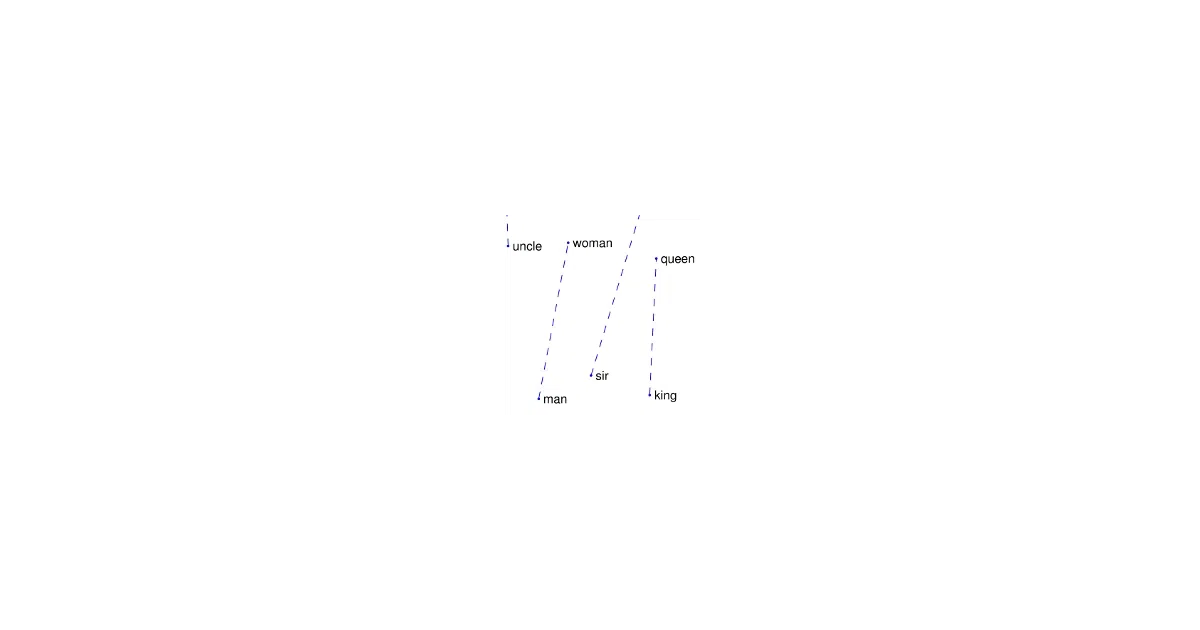
The project is still releasing new weights: the 2024 vectors include corpora up to 220 billion tokens. The README illustrates the model’s geometric regularities—frog sits near actual frog genera, and analogies like man → woman form consistent vector offsets.
Key highlights
- Fresh 2024 pre-trained vectors (50d–300d) drawn from Dolma, Wikipedia+Gigaword, Common Crawl, and Twitter
- Reference training implementation in C with a demo that builds co-occurrence data and runs word analogy evaluation
- Pre-trained weights released under the Public Domain Dedication and License
- 2024 training pipeline documented in
Training_README.mdand analyzed in an accompanying arXiv report - Includes a Python evaluation script to verify vector quality
Verdict Worth exploring if you need pre-trained word vectors or a reference pipeline to train your own from a custom corpus. Not the right tool if your task requires anything beyond single-word vector lookups.
Frequently asked
- What is stanfordnlp/GloVe?
- Reference C implementation and pre-trained embeddings for learning word vectors from global corpus co-occurrence.
- Is GloVe open source?
- Yes — stanfordnlp/GloVe is open source, released under the Apache-2.0 license.
- What language is GloVe written in?
- stanfordnlp/GloVe is primarily written in C.
- How popular is GloVe?
- stanfordnlp/GloVe has 7.2k stars on GitHub.
- Where can I find GloVe?
- stanfordnlp/GloVe is on GitHub at https://github.com/stanfordnlp/GloVe.