sithu31296/semantic-segmentation
A segmentation model zoo where you bring your own weights
It gathers over twenty datasets, more than fifteen backbones, and a wide range of segmentation heads from FCN to TopFormer into one PyTorch workspace.
Not currently ranked — collecting fresh signals.
star history
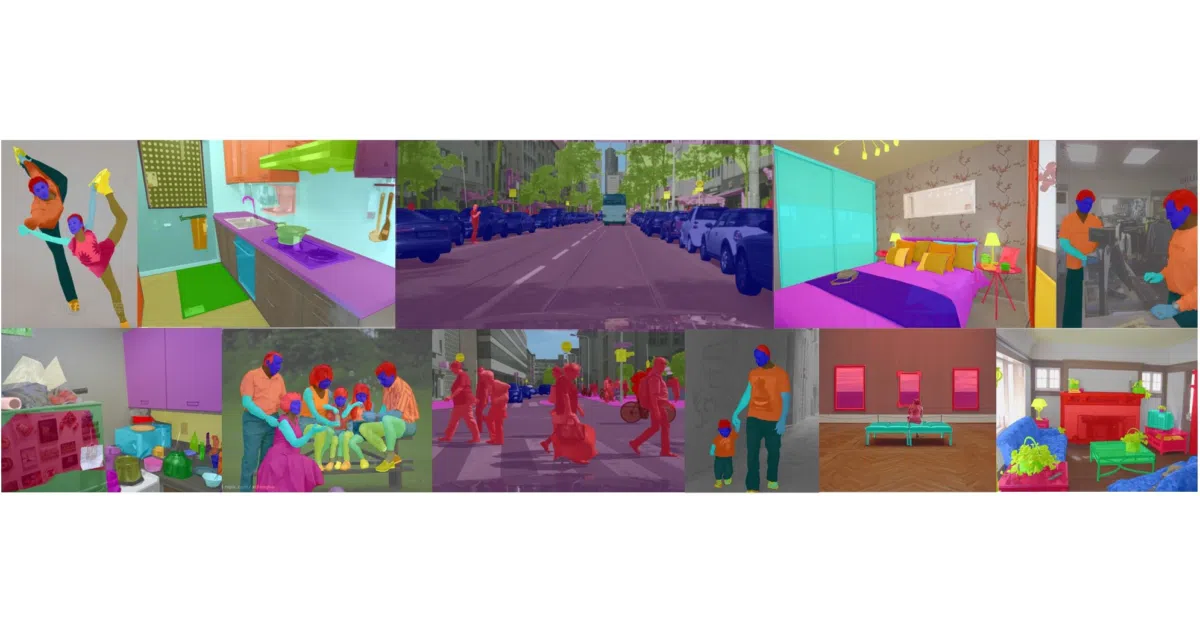
What it does This repo is a PyTorch-based catalog of semantic segmentation architectures, pairing backbones like ConvNeXt and SegFormer’s MiT with heads ranging from FCN to Lawin and TopFormer. It bundles training, evaluation, and export logic for scene parsing, human parsing, face parsing, and underwater segmentation across more than twenty datasets. The codebase also handles exports to ONNX, TFLite, and OpenVINO, though the README warns that a major rework is coming.
The interesting bit Most model zoos ship with pre-trained weights; this one is unusually honest about the fact that most of its methods do not, because combining disparate weights in one repo is apparently a nightmare. That makes it less of a turnkey product and more of a Lego kit for researchers who already have their own checkpoints or want to mix and match backbones and heads.
Key highlights
- 15+ backbones (ResNet, MobileNet, MiT, ConvNeXt, PVTv2, etc.) and 10+ segmentation methods (SegFormer, UPerNet, Lawin, etc.)
- Task coverage spans scene parsing, human parsing, face parsing, and underwater imagery (SUIM)
- Includes standalone real-time architectures: BiSeNetv2 and DDRNet
- Supports export to ONNX, TFLite, and OpenVINO
- Planned rework will slim down bundled datasets and models and replace custom augmentations with torchvision v2 transforms
Caveats
- Most methods lack pre-trained models; the author notes limited resources make it difficult to provide combined weights.
- A major rework is planned (and was expected by May 2024), which will reduce the number of bundled datasets and models and replace the augmentation pipeline.
- Medical image segmentation is listed as “Coming Soon.”
Verdict Useful if you need a unified PyTorch playground to benchmark or remix segmentation architectures across multiple domains, but skip it if you are looking for a batteries-included model zoo with ready-to-download weights for every configuration.
Frequently asked
- What is sithu31296/semantic-segmentation?
- It gathers over twenty datasets, more than fifteen backbones, and a wide range of segmentation heads from FCN to TopFormer into one PyTorch workspace.
- Is semantic-segmentation open source?
- Yes — sithu31296/semantic-segmentation is open source, released under the MIT license.
- What language is semantic-segmentation written in?
- sithu31296/semantic-segmentation is primarily written in Python.
- How popular is semantic-segmentation?
- sithu31296/semantic-segmentation has 943 stars on GitHub.
- Where can I find semantic-segmentation?
- sithu31296/semantic-segmentation is on GitHub at https://github.com/sithu31296/semantic-segmentation.