mikeroyal/Neuromorphic-Computing-Guide
A curated map for silicon that thinks like a brain
This repo collects the scattered tooling around neuromorphic chips into one sprawling reference guide.
Not currently ranked — collecting fresh signals.
star history
What it does
The Neuromorphic Computing Guide is a curated markdown reference that catalogs hardware, software, courses, and research for building analog VLSI systems that mimic biological neural architectures. It covers everything from Intel’s Loihi 2 and BrainChip’s Akida to PyTorch workflows, CUDA, and basic circuit physics. A community-maintained mdBook version also exists.
The interesting bit
The guide treats neuromorphic engineering as a full-stack discipline — you get chip specs alongside Ohm’s law and Faraday’s law refreshers. That breadth is either admirably thorough or slightly unhinged, depending on your attention span.
Key highlights
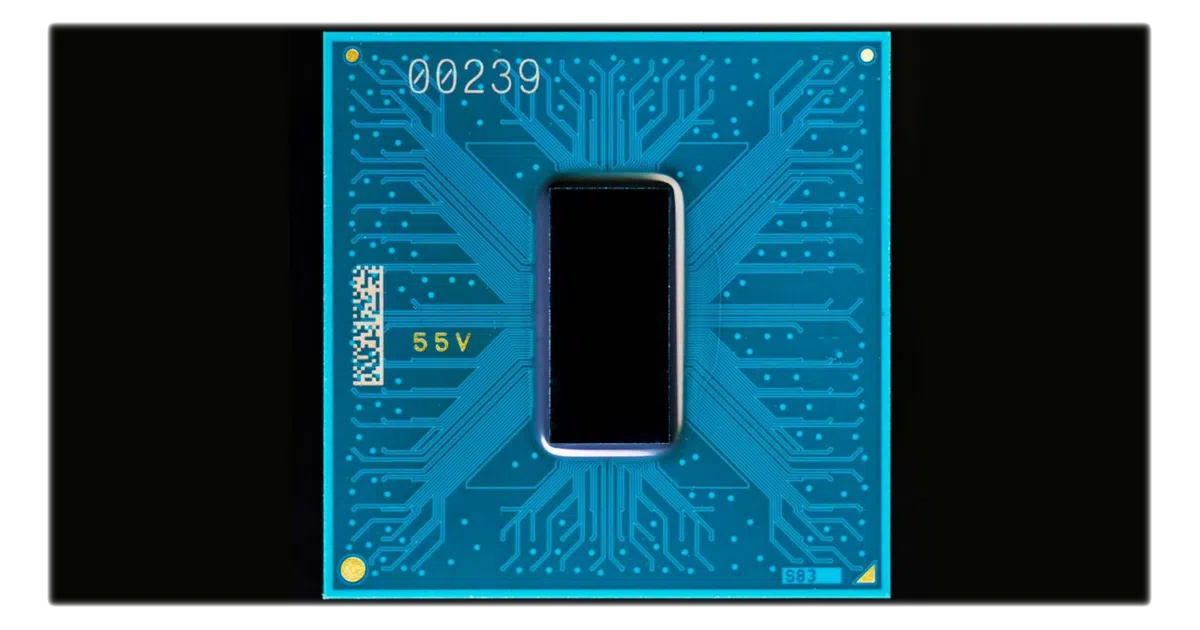
- Links to major research chips: Intel Loihi 2, BrainChip Akida NSoC
- Curated book list with recent academic titles on memristors and neuromorphic photonics
- Training course index spanning Coursera, edX, MIT OCW, and Harvard
- Sections on adjacent domains: bioinformatics, robotics, NLP, computer vision
- Available as both GitHub markdown and a rendered mdBook
Caveats
- The README is a link directory, not original analysis or code
- Maintenance badge says 2024 but last-commit badge isn’t shown in the excerpt; freshness is unclear
- Some topic tags on the repo (neural radiance fields, neural machine translation) appear only loosely related to neuromorphic hardware
Verdict
Worth bookmarking if you’re entering neuromorphic research and need a structured starting point. Skip it if you want hands-on code or deep technical evaluation of specific chips — this is a map, not a vehicle.
Frequently asked
- What is mikeroyal/Neuromorphic-Computing-Guide?
- This repo collects the scattered tooling around neuromorphic chips into one sprawling reference guide.
- Is Neuromorphic-Computing-Guide open source?
- Yes — mikeroyal/Neuromorphic-Computing-Guide is an open-source project tracked on heatdrop.
- What language is Neuromorphic-Computing-Guide written in?
- mikeroyal/Neuromorphic-Computing-Guide is primarily written in Python.
- How popular is Neuromorphic-Computing-Guide?
- mikeroyal/Neuromorphic-Computing-Guide has 605 stars on GitHub.
- Where can I find Neuromorphic-Computing-Guide?
- mikeroyal/Neuromorphic-Computing-Guide is on GitHub at https://github.com/mikeroyal/Neuromorphic-Computing-Guide.