lucasjinreal/alfred
A Python butler for your deep learning busywork
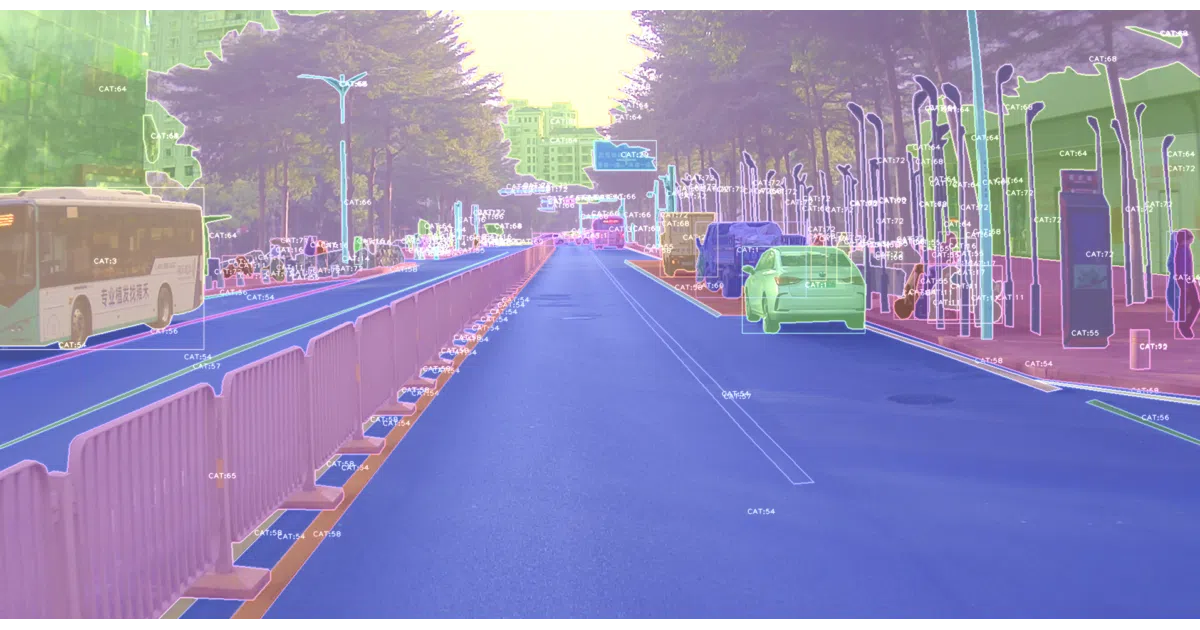
alfred-py exists to bundle the tedious parts of computer vision—annotation inspection, 2D/3D visualization, and model deployment—into one importable library and command-line tool.
Not currently ranked — collecting fresh signals.
star history
What it does
alfred-py is a hybrid Python library and terminal tool that collects everyday computer vision utilities under one roof. It handles annotation format juggling—COCO, YOLO, and VOC—and will draw bounding boxes, segmentation masks, and 3D point-cloud boxes for you. The library also bundles helpers for TensorRT deployment, video frame extraction, and assorted PyTorch conveniences like torch.device wrappers.
The interesting bit
The project treats visualization as a first-class citizen, including a real-time Open3D server for 3D mesh and keypoint rendering that you can stream results into. That is not something you find in the average data-wrangling toolkit.
Key highlights
- Visualizes 2D boxes, masks, and poses, plus 3D boxes on point clouds
- CLI viewers for COCO, YOLO, and VOC annotations without writing boilerplate
- Open3D-based server for real-time 3D keypoint and mesh visualization
- Includes TensorRT deployment helpers and video frame extraction
- Self-described as “born for deeplearning,” with a focus on human-friendly APIs
Caveats
- Optional dependencies like
pycocotoolsandopencv-pythonare marked optional in the requirements list, but core features such as COCO conversion and annotation viewing require them, so expect to install extras before things work. - The README is structured as a dense, flat list of CLI examples; discovering library APIs beyond the few Python snippets in the release notes takes some digging.
- After three years of updates the scope is broad—spanning vision, text, scrap, data, and cabinet utilities—without a clear map of what is production-ready versus experimental.
Verdict
Grab it if you spend your days debugging COCO labels, stitching videos, or babysitting TensorRT conversions and want one toolbox instead of ten. Skip it if you prefer tightly scoped, single-purpose packages with exhaustive documentation.
Frequently asked
- What is lucasjinreal/alfred?
- alfred-py exists to bundle the tedious parts of computer vision—annotation inspection, 2D/3D visualization, and model deployment—into one importable library and command-line tool.
- Is alfred open source?
- Yes — lucasjinreal/alfred is open source, released under the GPL-3.0 license.
- What language is alfred written in?
- lucasjinreal/alfred is primarily written in Python.
- How popular is alfred?
- lucasjinreal/alfred has 914 stars on GitHub.
- Where can I find alfred?
- lucasjinreal/alfred is on GitHub at https://github.com/lucasjinreal/alfred.