gastownhall/gastown
Orchestrating 20 AI agents without losing your mind
Gas Town coordinates multiple AI coding agents across projects, persisting their work state in git-backed hooks so crashes and restarts don't erase progress.
Velocity · 7d
+18
★ / day
Trend
↗accelerating
star history
What it does
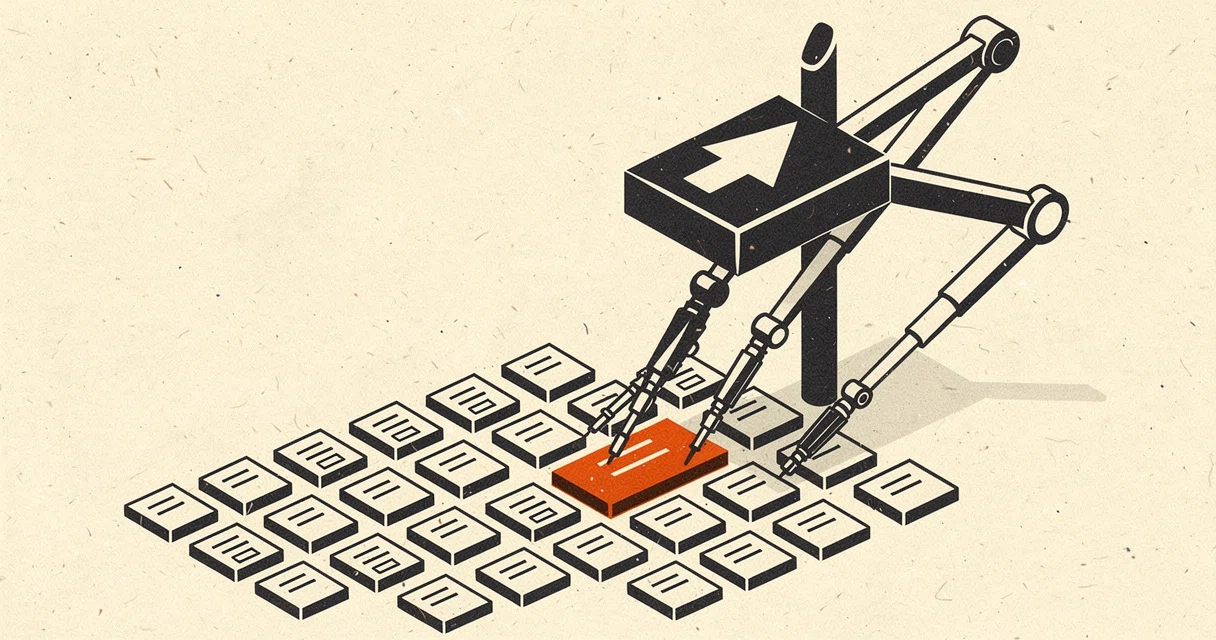
Gas Town is a command-line workspace manager that treats AI coding agents—Claude Code, Codex, Copilot, or others—as a pool of ephemeral workers inside project containers called Rigs. A primary “Mayor” agent delegates tasks to worker “Polecats,” while the system tracks everything through a git-backed ledger called Beads. When an agent dies or stalls, its state survives in git worktrees, and a three-tier watchdog system spawns replacements.
The interesting bit
The design assumes agents are unreliable and leans into it. Instead of trusting an LLM’s context window, Gas Town externalizes memory into structured storage, making agents interchangeable cattle rather than pets. The “Seance” feature even lets new agents interrogate the event logs of dead predecessors to reconstruct context, which is either a clever hack or a sign we need better primitives.
Key highlights
- Aims to support 20–30 concurrent agents, well beyond typical manual coordination limits
- Bors-style bisecting merge queue (“Refinery”) batches agent output before it hits main
- Federated “Wasteland” network lets separate Gas Town instances share work via DoltHub
- TOML-driven workflow templates (“Molecules”) checkpoint multi-step tasks
- Configurable scheduler caps polecat dispatch to avoid API rate-limit exhaustion
Caveats
- Heavy dependency footprint: Go 1.25+, Dolt, Beads CLI, tmux, and specific AI runtimes are all expected
- Unsigned binaries on macOS get SIGKILL’d by the OS, so Homebrew or manual compilation is required
- The conceptual surface area is large—Rigs, Polecats, Convoys, Beads, and Molecules are a lot of nouns to learn
Verdict
Useful if you already have a reason to run a small army of coding agents and need something to keep them from stepping on each other. Overkill if you are still just pair-programming with a single Claude session.
Frequently asked
- What is gastownhall/gastown?
- Gas Town coordinates multiple AI coding agents across projects, persisting their work state in git-backed hooks so crashes and restarts don't erase progress.
- Is gastown open source?
- Yes — gastownhall/gastown is open source, released under the MIT license.
- What language is gastown written in?
- gastownhall/gastown is primarily written in Go.
- How popular is gastown?
- gastownhall/gastown has 18.5k stars on GitHub and is currently accelerating.
- Where can I find gastown?
- gastownhall/gastown is on GitHub at https://github.com/gastownhall/gastown.