analyticalrohit/pytorch_fundamentals
PyTorch from zero: a tensor tutorial that skips the fluff
A hands-on notebook for developers who need to understand PyTorch tensors before building models.
Not currently ranked — collecting fresh signals.
star history
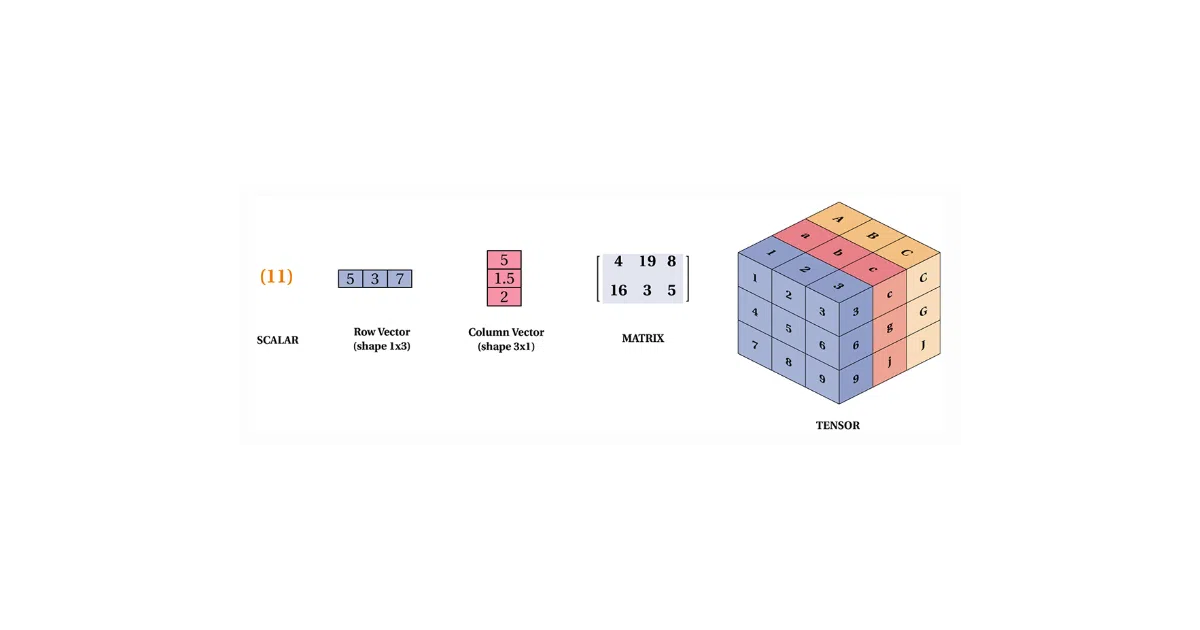
What it does A single Jupyter notebook walks through PyTorch tensor basics—initialization, math operations, indexing, reshaping, and NumPy interoperability. It is essentially a curated set of runnable examples for newcomers who prefer code over prose documentation.
The interesting bit The notebook treats broadcasting and batch matrix multiplication as first-class topics rather than afterthoughts. That is where beginners usually trip, so front-loading those operations is a sensible pedagogical choice.
Key highlights
- Covers tensor initialization, type conversion, and NumPy round-tripping.
- Includes matrix multiplication, batch operations, and broadcasting rules.
- All examples live in one interactive notebook.
- Accompanied by a Substack blog post for narrative context.
- 967 stars suggest it has found an audience among ML newcomers.
Verdict
Grab this if you are starting with PyTorch and want a concise, executable reference. Skip it if you already know your einsum from your unsqueeze.
Frequently asked
- What is analyticalrohit/pytorch_fundamentals?
- A hands-on notebook for developers who need to understand PyTorch tensors before building models.
- Is pytorch_fundamentals open source?
- Yes — analyticalrohit/pytorch_fundamentals is open source, released under the MIT license.
- What language is pytorch_fundamentals written in?
- analyticalrohit/pytorch_fundamentals is primarily written in Jupyter Notebook.
- How popular is pytorch_fundamentals?
- analyticalrohit/pytorch_fundamentals has 1.1k stars on GitHub.
- Where can I find pytorch_fundamentals?
- analyticalrohit/pytorch_fundamentals is on GitHub at https://github.com/analyticalrohit/pytorch_fundamentals.