NifTK/NiftyNet
NiftyNet: a medical deep-learning platform that learned when to quit
A TensorFlow-based CNN framework for medical imaging research that was sunset in 2020 after its team moved to MONAI.
Not currently ranked — collecting fresh signals.
star history
What it does
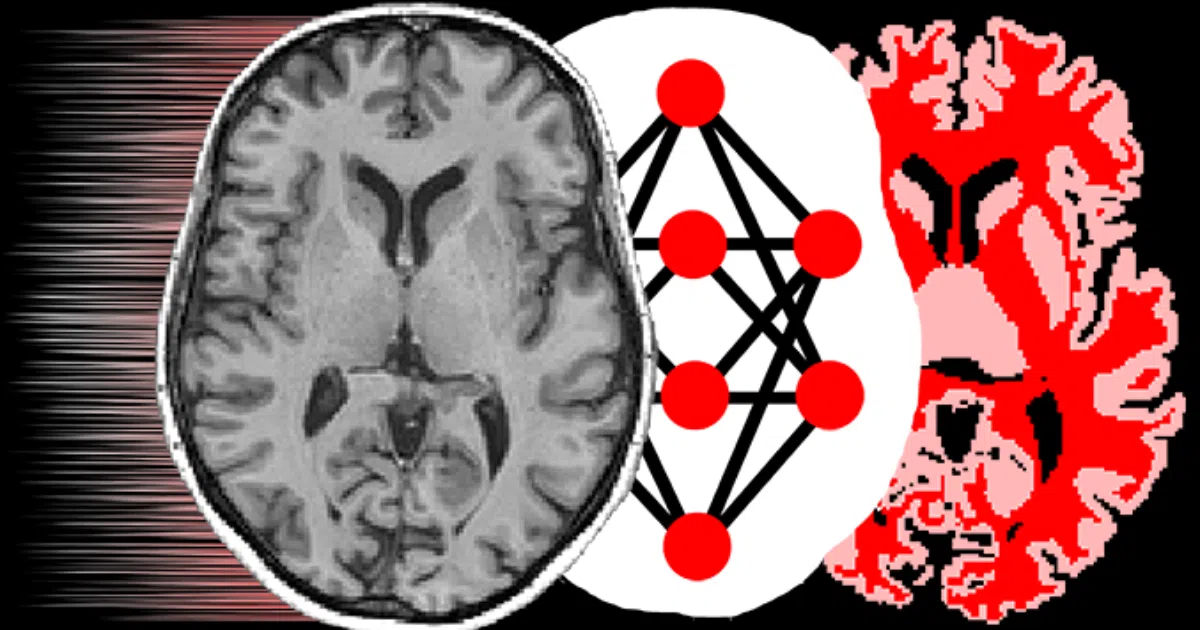
NiftyNet is a modular TensorFlow 1.x platform for building and sharing convolutional neural networks on medical images—think 3D brain scans, not cat photos. It bundles pre-trained implementations of specialist architectures like 3D U-net, V-net, and DeepMedic, plus evaluation metrics tuned for segmentation tasks. The consortium behind it spans King’s College London and UCL medical imaging groups.
The interesting bit
The README leads with a rare act of research-software honesty: a 2020 obituary redirecting users to MONAI, the project’s successor. Before that handoff, NiftyNet tackled the fiddly reality of medical dimensions—2.5-D (slice stacks pretending to be volumes), 3-D, and 4-D multi-modal co-registered volumes—rather than forcing everything into standard 2-D pipelines.
Key highlights
- Modular network components designed for sharing pre-trained models between research groups
- Multi-GPU training support for volumetric data
- Built-in implementations of HighRes3DNet, 3D U-net, V-net, and DeepMedic
- “2.5-D” and 4-D input handling for non-standard medical imaging formats
- Explicitly not for clinical use—research-only, per the disclaimer
Caveats
- Unmaintained since April 2020; pinned to TensorFlow 1.15, which is itself end-of-life
- The team formally recommends migrating to MONAI
- Python 2/3 compatibility suggests legacy baggage; no indication of modern TensorFlow or PyTorch support
Verdict
Worth a look if you’re maintaining legacy medical-imaging pipelines or studying how research platforms evolve. Everyone else should follow the maintainers’ own advice and head to MONAI.
Frequently asked
- What is NifTK/NiftyNet?
- A TensorFlow-based CNN framework for medical imaging research that was sunset in 2020 after its team moved to MONAI.
- Is NiftyNet open source?
- Yes — NifTK/NiftyNet is open source, released under the Apache-2.0 license.
- What language is NiftyNet written in?
- NifTK/NiftyNet is primarily written in Python.
- How popular is NiftyNet?
- NifTK/NiftyNet has 1.4k stars on GitHub.
- Where can I find NiftyNet?
- NifTK/NiftyNet is on GitHub at https://github.com/NifTK/NiftyNet.