MazzaWill/neo4j-python-pandas-py2neo-v3
Old py2neo, new tricks: a knowledge graph time capsule
A legacy Excel-to-Neo4j tutorial that refuses to die, now with a modern GraphRAG sidecar and an AI agent skill.
Not currently ranked — collecting fresh signals.
star history
What it does
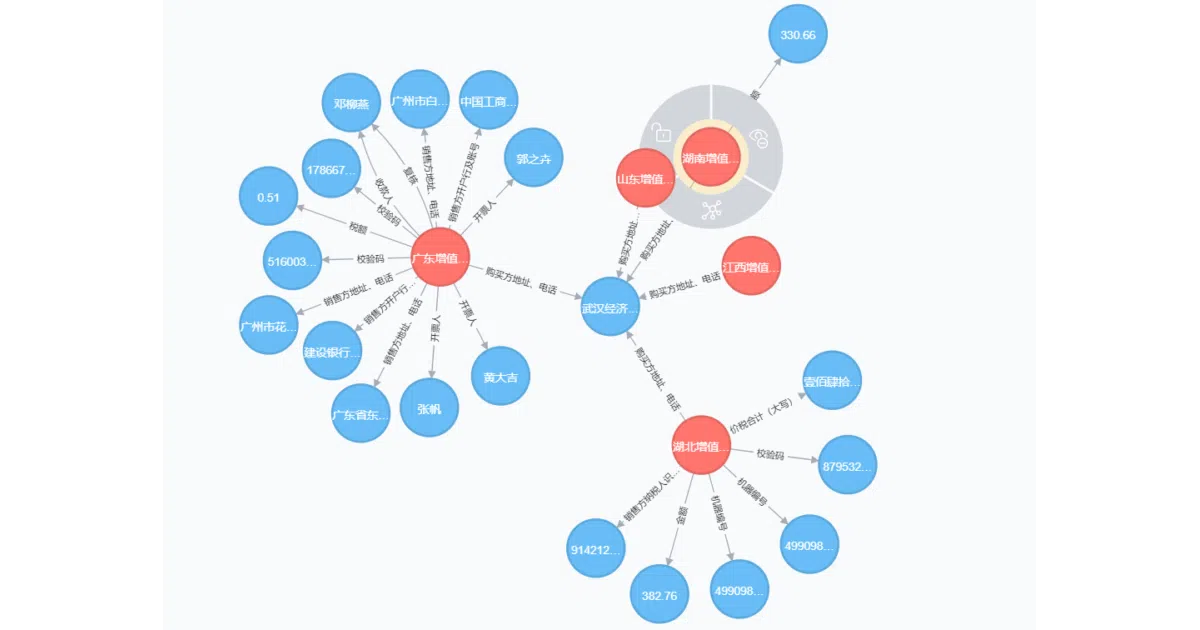
Takes invoice-style Excel spreadsheets, chews them through pandas, and spits out Neo4j nodes and relationships. The original code targets py2neo v3 and Neo4j 3.x — think Python 3.6.5 and Windows 10 era. A newer additive example swaps in the official neo4j driver, vector indexes, and GraphRAG-style retrieval for anyone who actually wants to ship something in 2026.
The interesting bit
The repo is deliberately frozen in amber as a legacy educational baseline — pinned old dependencies, hard-coded paths, warts and all — while modern work happens in a parallel examples/modern_invoice_graphrag/ directory. There’s even a Codex/agent skill tucked in skills/neo4j-knowledge-graph/ for AI coding assistants that need to generate safe Cypher or pick between ancient and current tooling.
Key highlights
- Original path: Excel → pandas → py2neo v3 → Neo4j 3.x, plus matrix extraction for ML experiments
- Modern path: CSV → official
neo4jdriver → vector indexes + GraphRAG retrieval, with local deterministic embeddings for CI - Includes
Invoice_data_Demo.xlsand aprofile_table.pyscript for inspecting tabular data before graph modeling - Maintenance restarted June 2026; modernization tracked separately so the legacy baseline stays intact
- MIT licensed, with issue templates that politely demand your Python/Neo4j/py2neo versions
Caveats
- The
requirements.txtdependencies are intentionally legacy; running this on modern Python/pandas will likely require tweaks - Hard-coded
os.chdir('xxxx')paths and placeholderGraph(...)credentials need manual fixing before the original scripts work - The modern example is additive, not a migration — the old and new paths coexist, not replace each other
Verdict
Grab this if you’re teaching (or learning) knowledge graph basics from first principles, or if you need a Codex skill for AI-assisted Neo4j schema design. Skip it if you want a production-ready, batteries-included GraphRAG framework — this is a tutorial with ambition, not a product.
Frequently asked
- What is MazzaWill/neo4j-python-pandas-py2neo-v3?
- A legacy Excel-to-Neo4j tutorial that refuses to die, now with a modern GraphRAG sidecar and an AI agent skill.
- Is neo4j-python-pandas-py2neo-v3 open source?
- Yes — MazzaWill/neo4j-python-pandas-py2neo-v3 is open source, released under the MIT license.
- What language is neo4j-python-pandas-py2neo-v3 written in?
- MazzaWill/neo4j-python-pandas-py2neo-v3 is primarily written in Python.
- How popular is neo4j-python-pandas-py2neo-v3?
- MazzaWill/neo4j-python-pandas-py2neo-v3 has 580 stars on GitHub.
- Where can I find neo4j-python-pandas-py2neo-v3?
- MazzaWill/neo4j-python-pandas-py2neo-v3 is on GitHub at https://github.com/MazzaWill/neo4j-python-pandas-py2neo-v3.