DT42/BerryNet
Raspberry Pi vision that doesn't phone home
BerryNet runs image classification and object detection locally on edge devices, no cloud required.
Not currently ranked — collecting fresh signals.
star history
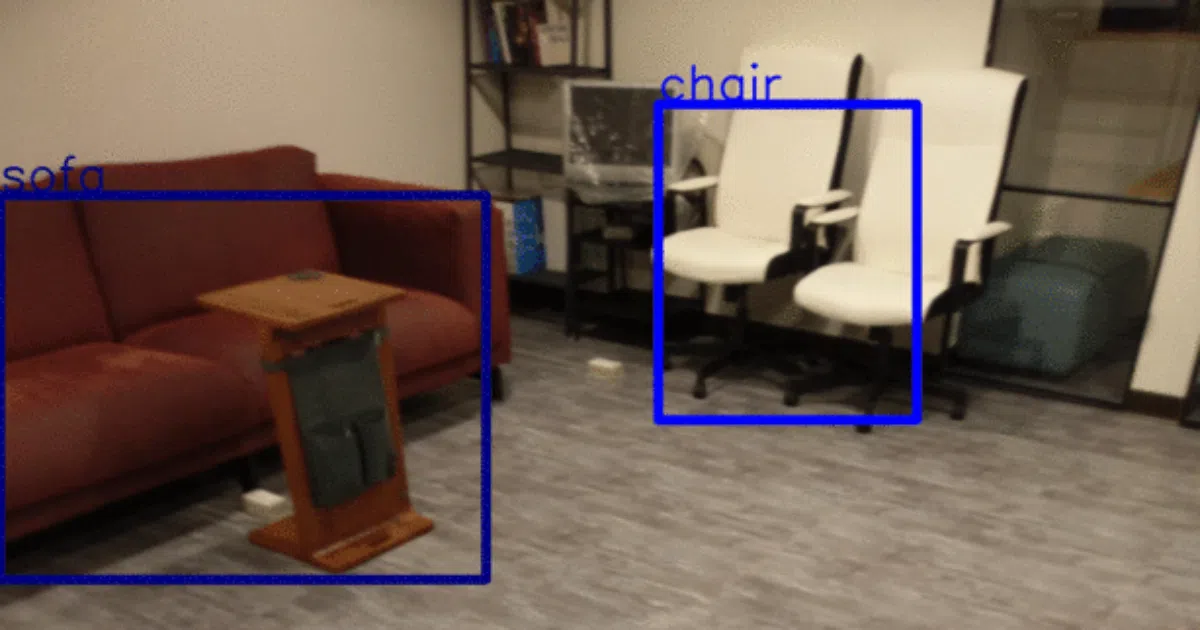
What it does BerryNet turns a Raspberry Pi (or similar edge device) into a local deep-learning gateway. It ingests camera streams or image files, runs inference via MQTT-connected components, and spits results to a web dashboard. The default stack bundles a camera client, an object-detection engine (TinyYOLO or MobileNet SSD), and a Freeboard dashboard. Everything stays on-device; no internet connection is needed.
The interesting bit The project treats the Pi as a first-class citizen, not a toy. It wires together Node.js/Python services over MQTT so you can swap engines or add collectors without rewriting the pipeline. Multiple devices can form a distributed AIoT network—useful if you want a cluster of cheap sentinels instead of one overworked board.
Key highlights
- Supports local USB, Pi, and IP cameras with adjustable frame rates
- Default engines: Inception v3 for classification, TinyYOLO or MobileNet SSD for detection
- Includes data collector to save snapshots and inference results to disk
- Components managed via supervisor; configs live in
/etc/supervisor/conf.d/ - Provides retraining path for custom YOLO models via darknet
Caveats
- README still references TinyYOLO and Inception v3; newer model support is unclear
- Dashboard setup requires manual JSON editing for remote viewing
- “Email and IM notification” mentioned as future work with no visible progress
Verdict Good fit for hobbyists or small shops building offline surveillance or quality-check stations on a budget. Skip it if you need managed cloud scaling or modern transformer-based models.
Frequently asked
- What is DT42/BerryNet?
- BerryNet runs image classification and object detection locally on edge devices, no cloud required.
- Is BerryNet open source?
- Yes — DT42/BerryNet is open source, released under the GPL-3.0 license.
- What language is BerryNet written in?
- DT42/BerryNet is primarily written in Python.
- How popular is BerryNet?
- DT42/BerryNet has 1.6k stars on GitHub.
- Where can I find BerryNet?
- DT42/BerryNet is on GitHub at https://github.com/DT42/BerryNet.