visa/visa-vulnerability-agentic-harness
When AI Finds Bugs and Then Argues About the Fixes
Visa’s open-source harness runs an eleven-stage agentic pipeline to discover, remediate, and adversarially validate vulnerabilities because the real bottleneck is triage, not discovery.
Velocity · 7d
+3.7
★ / day
Trend
↘cooling
star history
What it does
VVAH is an agentic static-analysis harness that ingests a codebase, models its attack surface, and runs a multi-stage pipeline to find, verify, remediate, and adversarially validate vulnerabilities. It emits structured findings as Markdown and SARIF 2.1.0 with CVSS 3.1 scoring and CWE taxonomy, routing different stages to different LLM backends through a vendor-neutral abstraction layer. The default profile continues through remediation and will edit source files in the target repository unless configured to stop after detection.
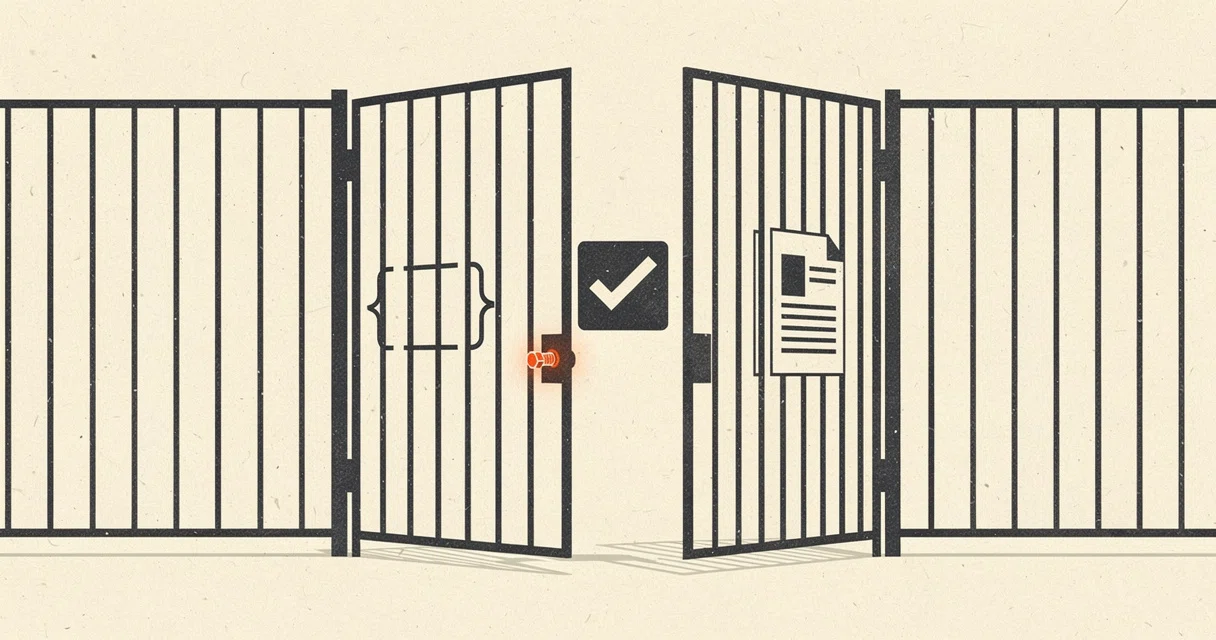
The interesting bit Rather than treating AI as a glorified grep, the harness uses upfront threat modeling to focus later stages on reachable code paths, then forces findings to survive a majority-vote false-positive filter and an adversarial verification panel before any patch is applied. The project explicitly optimizes for Mean Time to Adapt—the elapsed time from AI-discovered exploitability to a validated production fix—rather than raw bug count.
Key highlights
- Eleven-stage pipeline spanning optional static AST/call-graph seeding (
S0) through detection (S1–S9) to automated remediation (S10) and adversarial fix validation (S11). - Multi-model backend support for Anthropic Claude and OpenAI-compatible endpoints, with no single provider as a hard dependency.
- Six specialist analysis lenses—crypto, logic-bug, access-control, batch/ETL, IaC, and deserialization (defined but not default-enabled)—auto-gated to matching attack surfaces.
- Interprocedural taint analysis for Python, Java, and C# backed by tree-sitter static analysis to narrow focus to reachable source-to-sink paths.
- Deterministic false-positive filtering via majority-vote across multiple runs before findings reach the report.
Caveats
- The default
scanprofile applies fixes in-place duringS10; running detection without code changes requires explicitly stopping atS9. - Prompt data is sent to configured model-provider endpoints, so authorized targets and approved endpoints are mandatory.
- The project is not currently accepting external code contributions.
Verdict Security teams drowning in unverified AI bug reports should look here; if you need a lightweight linter or cannot route sensitive code to third-party LLM endpoints, this is not your tool.
Frequently asked
- What is visa/visa-vulnerability-agentic-harness?
- Visa’s open-source harness runs an eleven-stage agentic pipeline to discover, remediate, and adversarially validate vulnerabilities because the real bottleneck is triage, not discovery.
- Is visa-vulnerability-agentic-harness open source?
- Yes — visa/visa-vulnerability-agentic-harness is an open-source project tracked on heatdrop.
- What language is visa-vulnerability-agentic-harness written in?
- visa/visa-vulnerability-agentic-harness is primarily written in Python.
- How popular is visa-vulnerability-agentic-harness?
- visa/visa-vulnerability-agentic-harness has 2.8k stars on GitHub and is currently cooling off.
- Where can I find visa-vulnerability-agentic-harness?
- visa/visa-vulnerability-agentic-harness is on GitHub at https://github.com/visa/visa-vulnerability-agentic-harness.