vercel-labs/deepsec
An AI security scanner that costs thousands and runs with shell access
Deepsec deploys expensive coding agents to find vulnerabilities lurking in large codebases, parallelizing across workers and resuming scans when they break or run out of quota.
Velocity · 7d
+7.6
★ / day
Trend
↘cooling
star history
What it does
Deepsec is an agent-powered vulnerability scanner designed for large-scale repositories. It runs in your own infrastructure—optionally distributing work across Vercel Sandbox microVMs—to surface hard-to-find security issues that have been sitting in code for a long time. The tool is explicitly tuned to use the best available models at maximum thinking levels, which means full scans can cost thousands or tens of thousands of dollars.
The interesting bit
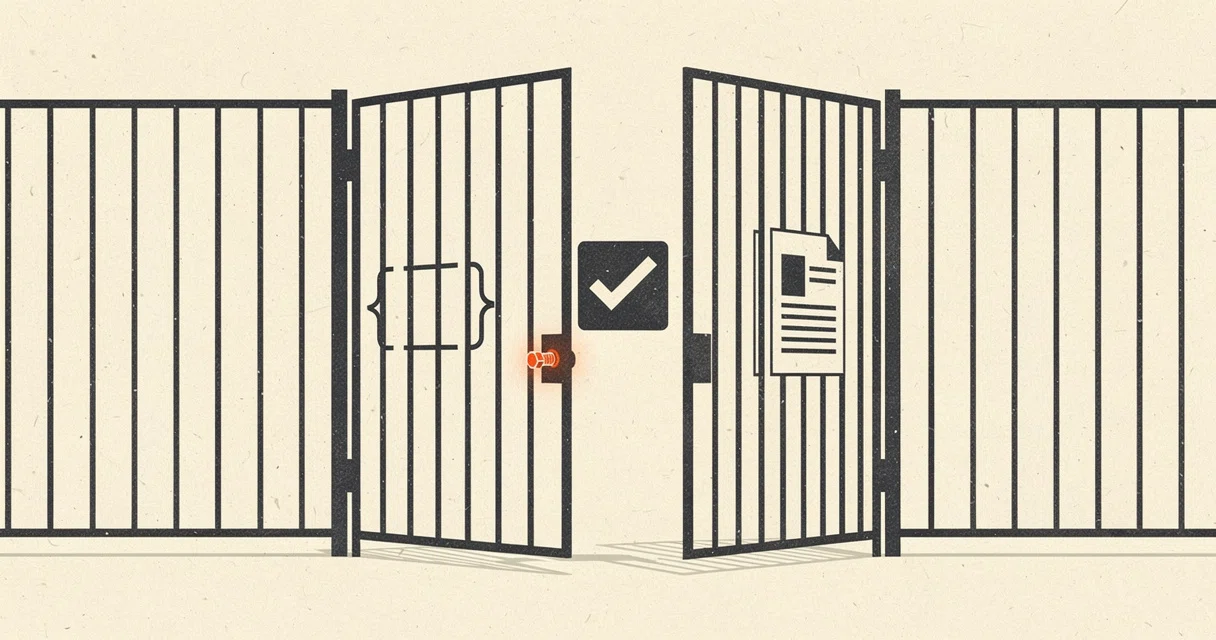
Instead of throwing AI at every line blindly, Deepsec first uses fast regex matchers to find candidate sites, then sends only those to an AI investigator. Even more unusually, it asks you to prime the agent with a short, project-specific brief—INFO.md—so the model knows your auth helpers and middleware rather than drowning in generic CWE categories.
Key highlights
- Resumable by design: if a run crashes or exhausts its API quota, re-running the same command skips already-analyzed files and continues from the breakpoint.
- Two-phase pipeline: a lightweight
scanfinds candidates with regex, thenprocessdispatches them to the coding agent for actual investigation and recommendations. - Distributed execution for monorepos: work can fan out across multiple sandboxed microVMs with limited network egress to reduce exposure.
- PR-mode support via
process --diffto investigate only changed files, plus arevalidatestep to cut false positives by rechecking findings against git history. - Security model is honest: the tool treats itself as a coding agent with full shell access, and the README warns about prompt-injection risks from external dependencies.
Caveats
- The README notes that local Claude or ChatGPT subscriptions “generally don’t have enough headroom for full repo scans,” so real usage requires Vercel AI Gateway or explicit API keys.
- Because the agent runs with full shell access on your environment, vendored or external dependencies could theoretically be exploited via prompt injection; sandbox mode mitigates this but adds infrastructure complexity.
Verdict
Organizations with large, mature codebases and an appetite for expensive, deep security audits should look here. If you need a lightweight, low-cost linter or lack the budget for top-tier model inference, this is not your tool.
Frequently asked
- What is vercel-labs/deepsec?
- Deepsec deploys expensive coding agents to find vulnerabilities lurking in large codebases, parallelizing across workers and resuming scans when they break or run out of quota.
- Is deepsec open source?
- Yes — vercel-labs/deepsec is open source, released under the Apache-2.0 license.
- What language is deepsec written in?
- vercel-labs/deepsec is primarily written in TypeScript.
- How popular is deepsec?
- vercel-labs/deepsec has 8.3k stars on GitHub and is currently cooling off.
- Where can I find deepsec?
- vercel-labs/deepsec is on GitHub at https://github.com/vercel-labs/deepsec.