sicara/tf-explain
X-ray specs for your Keras model, no PhD required
tf-explain wraps seven neural-network interpretability methods into plain TensorFlow 2.x callbacks so you can watch your model think while it trains.
Not currently ranked — collecting fresh signals.
star history
What it does
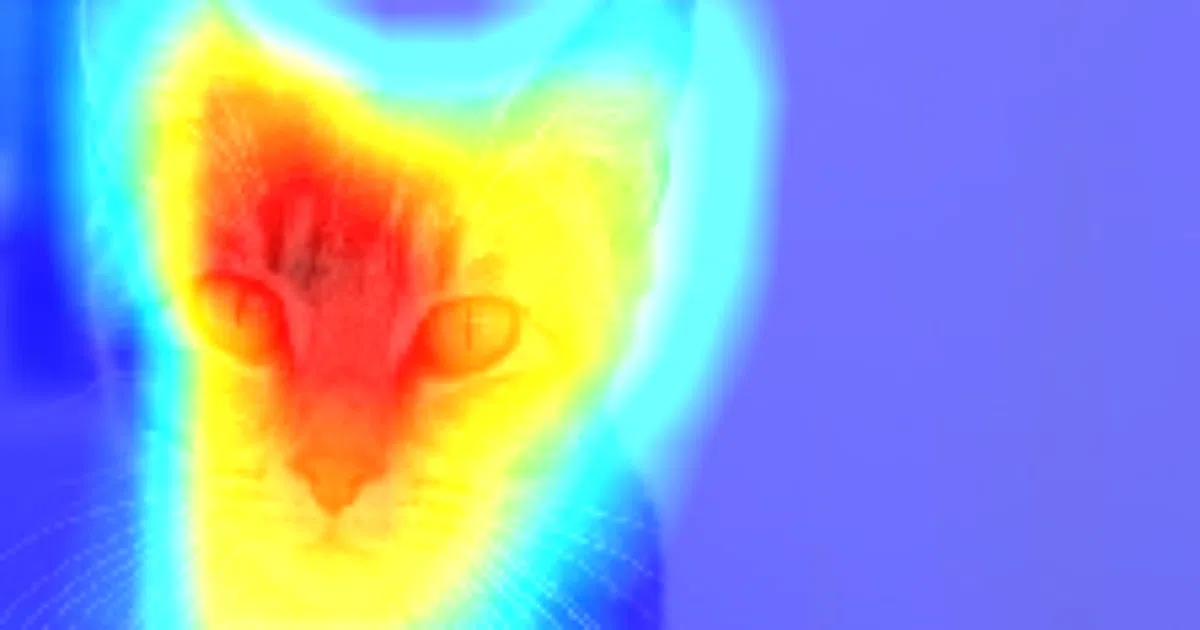
tf-explain gives you GradCAM, SmoothGrad, Integrated Gradients, and four other techniques as drop-in Keras callbacks or standalone explainers. Point it at a trained model to generate heatmaps, or hook it into model.fit and watch explanations land in TensorBoard every epoch. It is pure plumbing: the methods themselves are well-known papers; the value is the packaging.
The interesting bit
The callback design is the quiet win. Most interpretability libraries make you write boilerplate to bridge training loops and visualization; here you pass GradCAMCallback(...) to fit and get automatic logging. It is the kind of integration that only looks obvious after someone else builds it.
Key highlights
- Seven methods: Activations Visualization, Vanilla Gradients, Gradients×Inputs, Occlusion Sensitivity, Grad CAM, SmoothGrad, Integrated Gradients
- Two APIs: one-off
explainer.explain(data, model)or recurringCallbackduring training - TensorBoard-native output when used as a callback
- Supports Python 3.6–3.8 and TensorFlow 2.x (you bring your own
tensorflowinstall) - OpenCV and the library itself are pip-installable; no conda gymnastics
Caveats
- Subclassing API support is on the roadmap but not yet implemented
- Python support tops out at 3.8, which is increasingly dated
- Auto-generated API docs are also still pending
Verdict
Worth a look if you are already in TensorFlow 2.x and want interpretability without leaving the Keras ecosystem. Skip it if you need PyTorch, modern Python, or subclassed-model support today.
Frequently asked
- What is sicara/tf-explain?
- tf-explain wraps seven neural-network interpretability methods into plain TensorFlow 2.x callbacks so you can watch your model think while it trains.
- Is tf-explain open source?
- Yes — sicara/tf-explain is open source, released under the MIT license.
- What language is tf-explain written in?
- sicara/tf-explain is primarily written in Python.
- How popular is tf-explain?
- sicara/tf-explain has 1k stars on GitHub.
- Where can I find tf-explain?
- sicara/tf-explain is on GitHub at https://github.com/sicara/tf-explain.