philipperemy/yolo-9000
A 2017 CVPR paper, packaged so you can actually run it
This repo wraps the original YOLO9000 weights and darknet config in a clone-and-make workflow, because "state of the art" is useless if you can't compile it.
★1.2k stars Computer Vision
Not currently ranked — collecting fresh signals.
star history
What it does
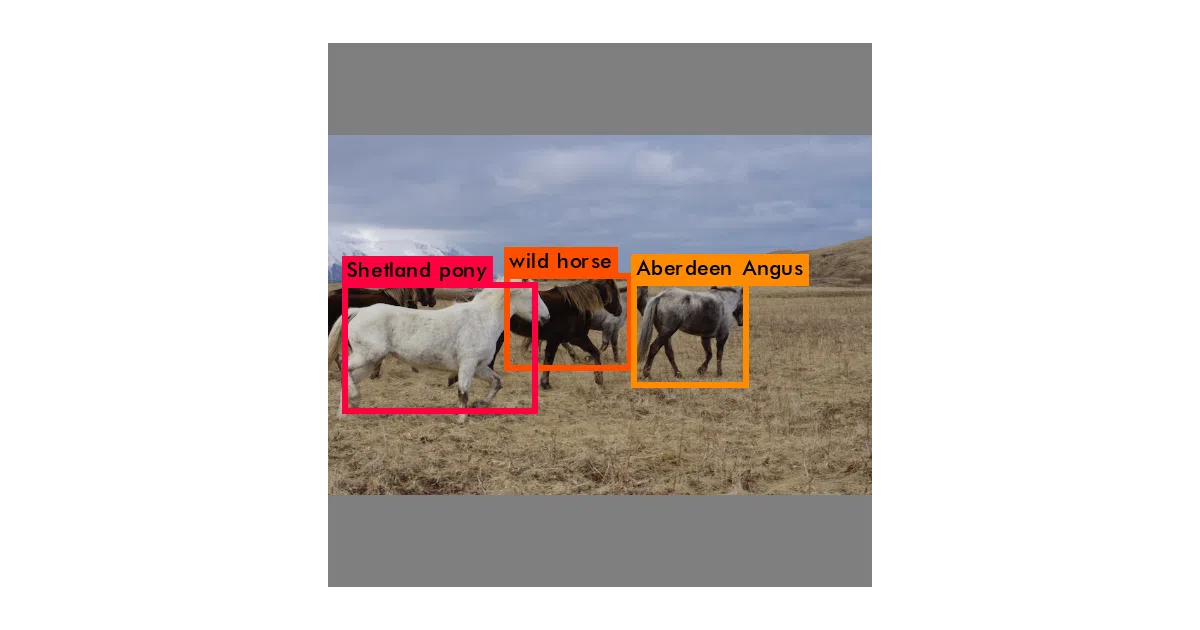
YOLO9000 detects objects across 9,000 classes in a single forward pass. This repository bundles the original darknet implementation, pre-trained weights (split into chunks to dodge GitHub’s file limits), and config files so you can run inference on images or video without hunting down scattered dependencies.
The interesting bit
The weights are deliberately chunked with split -b 95m and reassembled with cat — a low-tech workaround for a low-tech problem. The README also walks through GPU compilation, video pipeline setup with ffmpeg, and even points to a Keras converter, making this more of a survival guide than a code dump.
Key highlights
- 9,000 object classes from the CVPR 2017 paper, ready out of the box
- CPU inference works immediately; GPU requires editing a Makefile and ~8GB VRAM
- Includes video demo pipeline: darknet → frame images → ffmpeg → mp4
- Weights reassembly is manual (
cator Windowstype), not automated - Points to YAD2K for Keras weight conversion if you want to escape C
Caveats
- Windows setup requires a hard
git resetto a specific darknet commit; latest master needs a submodule pull - No OpenCV by default, so outputs save to
predictions.pnginstead of displaying live - “State of the art” claim is from 2017; the model architecture and dependencies are frozen in time
Verdict
Grab this if you need to reproduce YOLO9000 results exactly as published, or you’re teaching historical object detection. Skip it if you want modern accuracy, pip-installable convenience, or anything that runs without editing Makefiles.
Frequently asked
- What is philipperemy/yolo-9000?
- This repo wraps the original YOLO9000 weights and darknet config in a clone-and-make workflow, because "state of the art" is useless if you can't compile it.
- Is yolo-9000 open source?
- Yes — philipperemy/yolo-9000 is open source, released under the Apache-2.0 license.
- How popular is yolo-9000?
- philipperemy/yolo-9000 has 1.2k stars on GitHub.
- Where can I find yolo-9000?
- philipperemy/yolo-9000 is on GitHub at https://github.com/philipperemy/yolo-9000.