nolangz/pixel2motion
Logo motion that audits its own vector traces
It exists to turn raster logos into clean, motion-ready SVGs and prove the vector fit with overlay evidence before a single keyframe is written.
Velocity · 7d
+5.3
★ / day
Trend
↗accelerating
star history
What it does
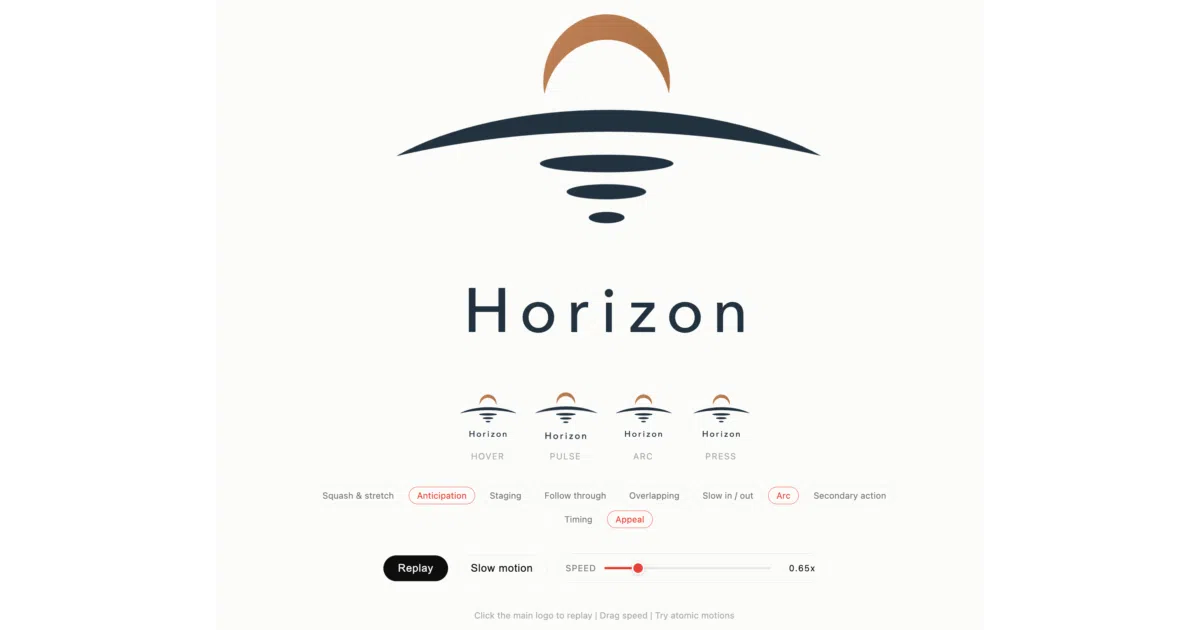
Pixel2Motion is a workflow and set of Python helpers for turning PNG, JPG, or WebP logos into semantic, motion-ready SVGs. It then authors CSS-driven animations and packages them into a dependency-free HTML showcase with playback controls and QA hooks. The whole process is built as an AI skill for Codex and Claude, meaning the workflow is designed to be executed by an LLM agent following structured instructions in SKILL.md and reference documents.
The interesting bit
Most tracing tools optimize for pixel-perfect coverage; this one explicitly rejects high-IoU jagged traces when a smoother, lower-complexity vector explains the logo better. The project treats vector fitting as a QA-gated prerequisite, generating overlay evidence, bezier audits, and deterministic frame captures so the animation is built on a verified static contract rather than a rough guess.
Key highlights
- Exports a full deliverable set: semantic
logo.svg, authoredmotion.css, a dependency-freelogo_motion.htmlshowcase, and a writtenmotion_spec.md. - Treats smoothness as a hard gate, rejecting high-coverage jagged traces in favor of simpler vectors that actually explain the logo geometry.
- Generates deterministic QA evidence—overlay progress strips, motion frame captures, and continuity probes—before signing off on the animation.
- Built as a Codex/Claude skill, with the workflow, references, and agent metadata living in the repo alongside the Python helper scripts.
Verdict
Designers and developers who need reproducible, auditable logo motion should look here; if you just need a one-click GIF generator without caring about vector structure, this workflow will feel like overkill.
Frequently asked
- What is nolangz/pixel2motion?
- It exists to turn raster logos into clean, motion-ready SVGs and prove the vector fit with overlay evidence before a single keyframe is written.
- Is pixel2motion open source?
- Yes — nolangz/pixel2motion is open source, released under the MIT license.
- What language is pixel2motion written in?
- nolangz/pixel2motion is primarily written in Python.
- How popular is pixel2motion?
- nolangz/pixel2motion has 2.4k stars on GitHub and is currently accelerating.
- Where can I find pixel2motion?
- nolangz/pixel2motion is on GitHub at https://github.com/nolangz/pixel2motion.