liu00222/Open-Prompt-Injection
A test bench for the oldest trick in the LLM book
Open-Prompt-Injection gives researchers a standardized way to run prompt injection attacks against defenses and actually compare results.
Not currently ranked — collecting fresh signals.
star history
What it does
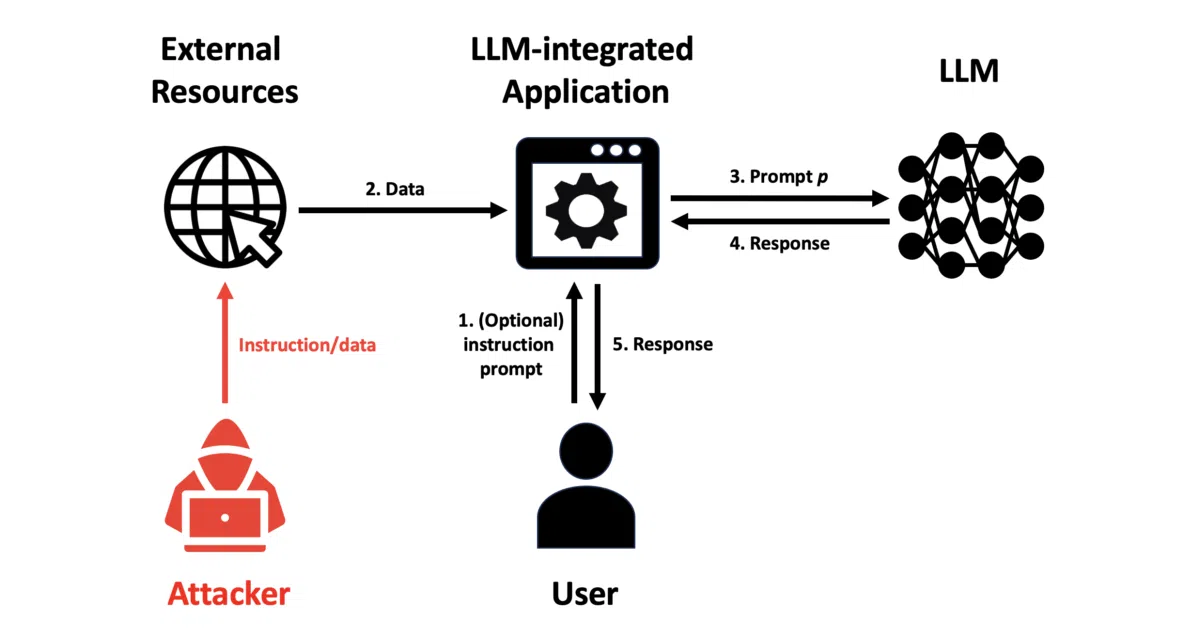
This is a benchmark toolkit from Duke researchers for prompt injection: it lets you compose a target task (say, sentiment analysis on sst2), an injected task (say, spam detection), an attack strategy, an LLM, and a defense, then measure the attack success via a computed ASV. Everything is wired through config files and factory methods, so swapping one variable at a time is the whole point. It backs three papers, including a USENIX Security 2024 paper formalizing the attack/defense space.
The interesting bit
Beyond benchmarking, it ships two fine-tuned defense components: DataSentinel, a detector trained game-theoretically against adaptive attackers, and PromptLocate, which doesn’t just flag a contaminated prompt but localizes the injected text and recovers the clean data. Detection-then-localization as a pipeline is a more surgical answer than “refuse everything.”
Key highlights
- Composable experiment matrix: attacks, defenses, target/injected tasks, and models are all pluggable via configs
run.pysupports a--dry-runmode and config fingerprints on response archives, so cached results are only reused when the experiment actually matches- ASV (attack success value) computed by a built-in evaluator for apples-to-apples comparisons
- DataSentinel and PromptLocate checkpoints available for download; more detectors and fine-tuning code promised
- Companion slides from a Safer with Google Summit 2025 talk for a deeper conceptual tour
Caveats
- The demo configs point at PaLM2, which is showing its age; Llama and GPT configs exist but you bring your own API keys
- Fine-tuning code for the detectors is “coming soon” — you can use the checkpoints but not yet reproduce them
- Requires a conda environment per the README; no lighter install path is offered
Verdict
If you research LLM security or need a defensible evaluation harness for injection defenses, this is one of the few properly benchmarked options. If you just want a quick guardrail for a production app, the checkpoint downloads and API-key plumbing make it more lab than library.
Frequently asked
- What is liu00222/Open-Prompt-Injection?
- Open-Prompt-Injection gives researchers a standardized way to run prompt injection attacks against defenses and actually compare results.
- Is Open-Prompt-Injection open source?
- Yes — liu00222/Open-Prompt-Injection is open source, released under the MIT license.
- What language is Open-Prompt-Injection written in?
- liu00222/Open-Prompt-Injection is primarily written in Python.
- How popular is Open-Prompt-Injection?
- liu00222/Open-Prompt-Injection has 508 stars on GitHub.
- Where can I find Open-Prompt-Injection?
- liu00222/Open-Prompt-Injection is on GitHub at https://github.com/liu00222/Open-Prompt-Injection.