judahpaul16/gpt-home
Alexa, but you actually own the thing
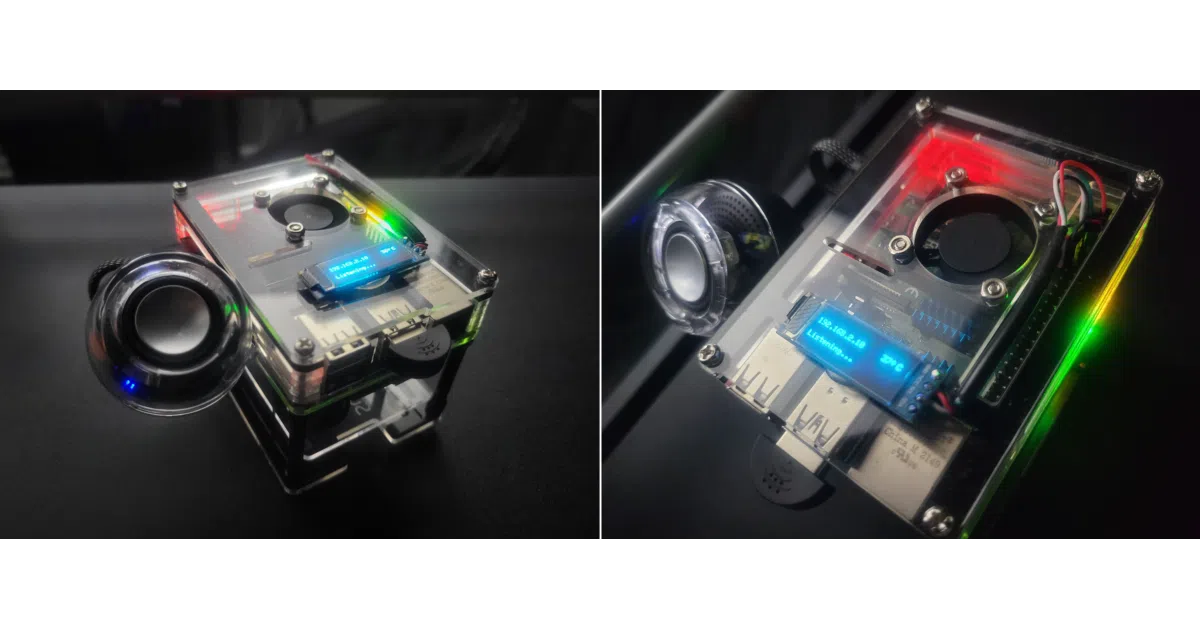
A Raspberry Pi-based voice assistant that swaps corporate surveillance for open LLMs, local memory, and hardware you can solder yourself.
Not currently ranked — collecting fresh signals.
star history
What it does
GPT Home is a self-hosted smart speaker built around a Raspberry Pi. It handles the usual voice-assistant chores—weather, alarms, Spotify, Philips Hue, calendar lookups—through a FastAPI backend and a React frontend, all containerized with Docker. Speech input and output run locally, while the brains are any LLM you point at via LiteLLM (OpenAI, Anthropic, Google, etc.).
The interesting bit
The project treats “openness” as a full-stack commitment, not just a model swap. Persistent memory lives in PostgreSQL with pgvector, so the assistant remembers context across sessions without phoning home to a vendor cloud. LangGraph orchestrates the conversation flow, and the whole stack is deliberately overkill for a toy project—which is exactly why it might survive real use.
Key highlights
- Supports 100+ LLM providers through LiteLLM; API key set via web UI or env file
- Persistent memory via pgvector-backed PostgreSQL, not ephemeral chat history
- Hardware auto-detection for SPI/I2C displays; runs on Pi Zero 2 W up to Pi 5
- Docker Compose setup with nginx reverse proxy, separate dev/prod frontend profiles
- Spotify Connect, Philips Hue, CalDAV calendars, OpenWeatherMap/Open-Meteo integrations
Caveats
- Build time on a 1GB RAM Pi 4B exceeds 15 minutes;
--no-buildflag pulls prebuilt images instead - Zigbee2MQTT integration is listed but unchecked in the README roadmap
- README warns that Wi-Fi power management and NetworkManager can interfere; Ethernet is “always the most stable option”
Verdict
Tinkerers who want a voice assistant without subscription lock-in or cloud dependency should look here. If you just want music and timers, a $30 Echo Dot remains the pragmatic choice—and the README essentially admits this by calling the project “a reference for building other projects on the Raspberry Pi.”
Frequently asked
- What is judahpaul16/gpt-home?
- A Raspberry Pi-based voice assistant that swaps corporate surveillance for open LLMs, local memory, and hardware you can solder yourself.
- Is gpt-home open source?
- Yes — judahpaul16/gpt-home is open source, released under the GPL-3.0 license.
- What language is gpt-home written in?
- judahpaul16/gpt-home is primarily written in Python.
- How popular is gpt-home?
- judahpaul16/gpt-home has 652 stars on GitHub.
- Where can I find gpt-home?
- judahpaul16/gpt-home is on GitHub at https://github.com/judahpaul16/gpt-home.