helloianneo/ian-handdrawn-ppt
A Codex skill that makes AI think before it draws
Turns raw notes into structured, hand-drawn Chinese tech explainer pages—PNG output, not PowerPoint.
Not currently ranked — collecting fresh signals.
star history
What it does
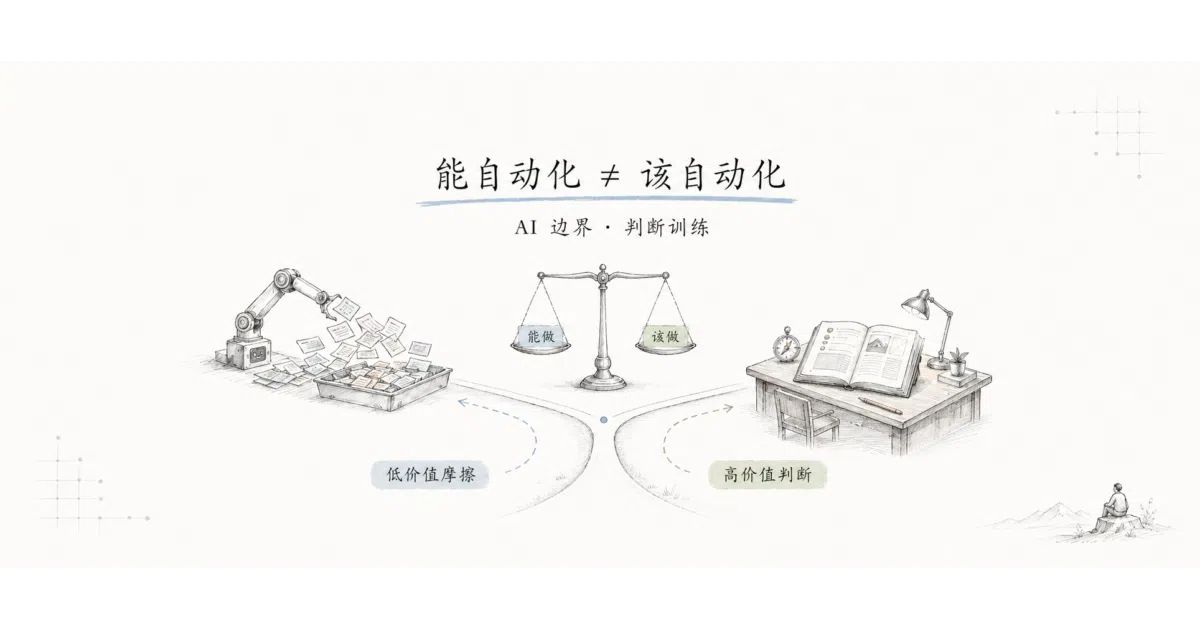
Ian Handdrawn PPT is a Codex Skill that feeds your articles, outlines, or course notes to an AI agent and gets back a set of PNG images: a 21:9 cover plus 16:9 body pages in a consistent Chinese hand-drawn style. It is not a template engine and does not emit PPTX, PDF, or anything editable. The agent first digests your material, plans a narrative structure, picks page archetypes (metaphor, comparison, flow, matrix), locks a visual DNA, then generates each page as a standalone raster image.
The interesting bit
The skill treats layout as a reasoning problem, not a formatting problem. It forces the AI to do intake analysis and narrative planning before it ever writes an image prompt, which is where most auto-PPT tools skip straight to decoration. The “visual DNA” concept—paper tone, line weight, a restrained palette of sage and pale peach, tiny central diagrams, minimal Chinese text—is codified in a theme-tokens.json file and referenced across every page prompt to fight style drift.
Key highlights
- Outputs 21:9 cover + 16:9 body PNGs, plus a contact sheet for review
- Ships with six reference docs covering intake, narrative planning, slide archetypes, prompt patterns, output quality checks, and visual DNA
- Explicitly optimized for ChatGPT Image 2.0; falls back to best available model with style-lock instructions
- Supports “plan only” mode where the agent returns a slide blueprint without burning tokens on generation
- Includes example prompts for article illustrations, course decks, and outline-to-deck workflows
Caveats
- Chinese text in generated images is fragile; the README advises short text, multiple generations, and deterministic post-processing overlays if characters fail
- No editable output formats; you get PNGs or nothing
- Requires Codex (or compatible agent framework) to run; it is a skill definition, not a standalone CLI tool
Verdict
Worth a look if you publish Chinese technical content and want AI-generated illustrations that feel more editorial than template. Skip it if you need interactive slides, vector output, or a tool that works outside the Codex ecosystem.
Frequently asked
- What is helloianneo/ian-handdrawn-ppt?
- Turns raw notes into structured, hand-drawn Chinese tech explainer pages—PNG output, not PowerPoint.
- Is ian-handdrawn-ppt open source?
- Yes — helloianneo/ian-handdrawn-ppt is open source, released under the MIT license.
- How popular is ian-handdrawn-ppt?
- helloianneo/ian-handdrawn-ppt has 1.5k stars on GitHub.
- Where can I find ian-handdrawn-ppt?
- helloianneo/ian-handdrawn-ppt is on GitHub at https://github.com/helloianneo/ian-handdrawn-ppt.