getomni-ai/zerox
OCR by asking GPT-4o to read screenshots of your PDF
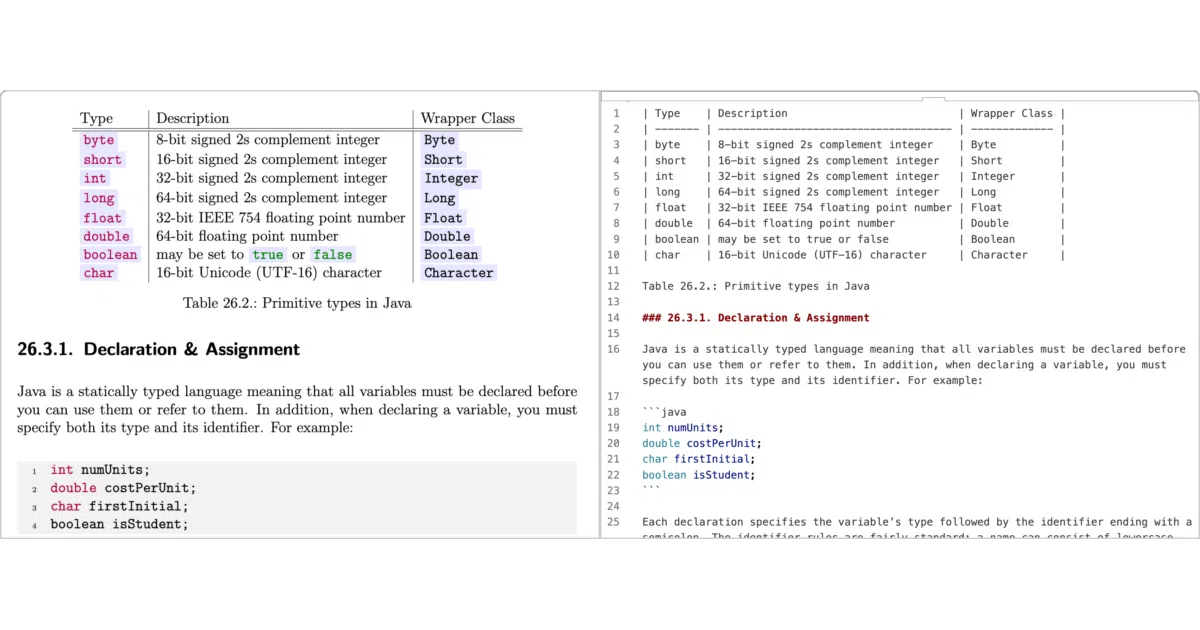
Zerox turns documents into images and feeds them to vision models, because tables and weird layouts break traditional text extractors.
Not currently ranked — collecting fresh signals.
star history
What it does Zerox converts PDFs, DOCX files, and images into a sequence of page images, then asks a vision model (GPT-4o, Claude 3, Gemini, etc.) to transcribe each one into Markdown. It aggregates the results and hands back structured text with optional per-page metadata like token counts and completion time. There’s also a JSON Schema extraction mode if you need structured data instead of raw Markdown.
The interesting bit
The maintainFormat option chains pages sequentially: page 1’s Markdown gets fed into the prompt for page 2, which helps preserve tables that span page breaks. The trade-off is speed — concurrency drops to 1. It’s a blunt but effective hack for a genuinely hard layout problem.
Key highlights
- Supports OpenAI, Azure, AWS Bedrock, and Google Gemini with provider-specific credential passing
- Node and Python SDKs, though feature parity is uneven (Node has schema extraction and orientation correction; Python has custom system prompts and Vertex AI)
- Optional per-page structured extraction with a separate model/provider from the OCR step
- Configurable concurrency, DPI, image compression, and temp directory management
- Requires system dependencies:
graphicsmagick/ghostscriptfor Node,popplerfor Python
Caveats
- The Node and Python versions diverge significantly; check the feature matrix before picking one
- No pricing or latency benchmarks are provided, and token counts from the example suggest multi-page documents could get expensive quickly
- README mentions Tesseract workers in the API but doesn’t explain when they activate vs. vision-model fallback
Verdict Worth a look if you’re already paying for vision-model API access and your documents have complex layouts that defeat conventional OCR. Skip it if you need deterministic, offline, or low-cost extraction — this is fundamentally a cloud-API wrapper with image preprocessing glue.
Frequently asked
- What is getomni-ai/zerox?
- Zerox turns documents into images and feeds them to vision models, because tables and weird layouts break traditional text extractors.
- Is zerox open source?
- Yes — getomni-ai/zerox is open source, released under the MIT license.
- What language is zerox written in?
- getomni-ai/zerox is primarily written in TypeScript.
- How popular is zerox?
- getomni-ai/zerox has 12.2k stars on GitHub.
- Where can I find zerox?
- getomni-ai/zerox is on GitHub at https://github.com/getomni-ai/zerox.