esimov/caire
Resizing that knows what's in the picture
Caire implements seam carving in Go, so images shrink and grow by deleting boring pixels instead of squashing everything equally.
Velocity · 7d
+12
★ / day
Trend
↘cooling
star history
What it does
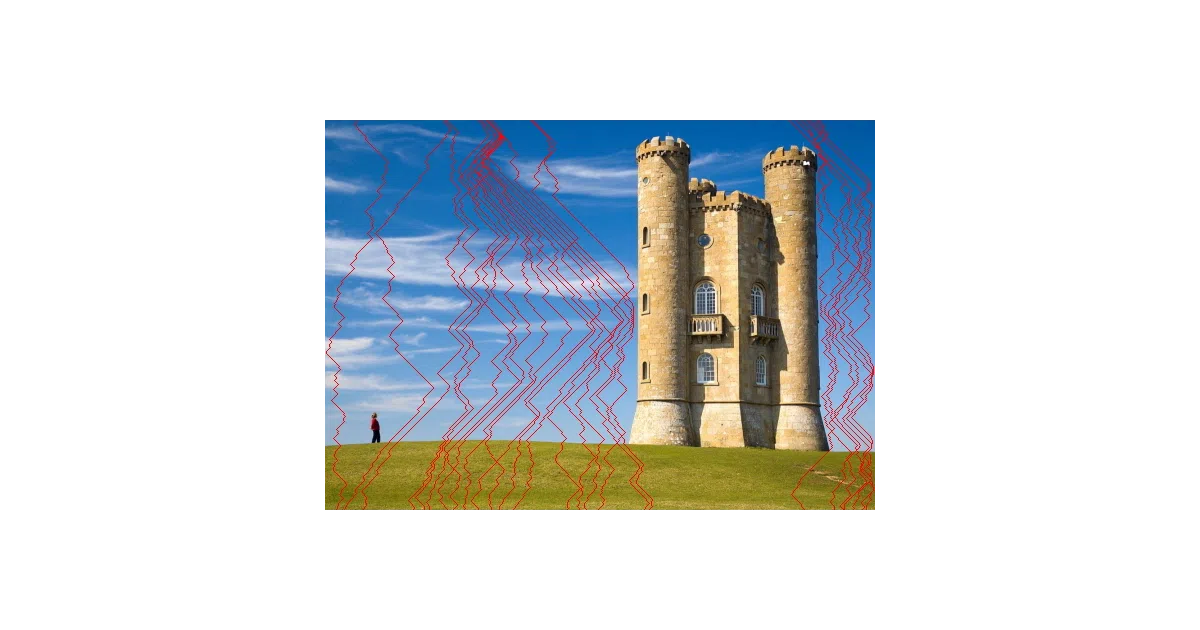
Caire resizes images content-aware: it builds an energy map via edge detection, then repeatedly removes (or inserts) the lowest-energy vertical or horizontal seams using dynamic programming. The result is a narrower or shorter image that keeps the interesting stuff — faces, buildings, boats — while quietly disposing of sky, water, and other low-detail filler. It works both directions: shrinking and enlarging.
The interesting bit
The face detection is the nice touch. Using the embedded Pigo detector, Caire marks face regions as high-energy so seams route around them — the README’s before/after shots show faces surviving intact where the naive carve mangles them. There’s also a two-stage strategy for aspect-ratio changes: it rescales conventionally first, then seam-carves only the leftover pixels.
Key highlights
- Protective (
-mask) and removal (-rmask) masks to force seams toward or away from regions - Pipes via
stdin/stdout, accepts image URLs directly, and processes directories recursively and concurrently - Tunable Sobel threshold and blur radius for edge-detection quality
- GUI preview window (Gio-based) shows carving in real time; debug mode draws the seams
- Ships as a Go library as well as a CLI; OpenFaaS and snap integrations exist
Caveats
- The GUI preview is on by default, which is surprising for a CLI tool — and it needs Gio’s platform dependencies installed
- Masks must be binary and exactly the same size as the input image, which is fiddly
- No performance numbers in the README, so expect seam carving’s usual cost on large images
Verdict
Anyone who needs to reformat photos for varying layouts — thumbnails, banners, responsive crops — without cropping out subjects should try this. If you just need fast mechanical scaling, a standard resizer is cheaper and faster.
Frequently asked
- What is esimov/caire?
- Caire implements seam carving in Go, so images shrink and grow by deleting boring pixels instead of squashing everything equally.
- Is caire open source?
- Yes — esimov/caire is open source, released under the MIT license.
- What language is caire written in?
- esimov/caire is primarily written in Go.
- How popular is caire?
- esimov/caire has 10.8k stars on GitHub and is currently cooling off.
- Where can I find caire?
- esimov/caire is on GitHub at https://github.com/esimov/caire.