crazyykhllc-bit/CyberPPT
Consulting Decks by Agent: Evidence-First, Editable, and Heavily Audited
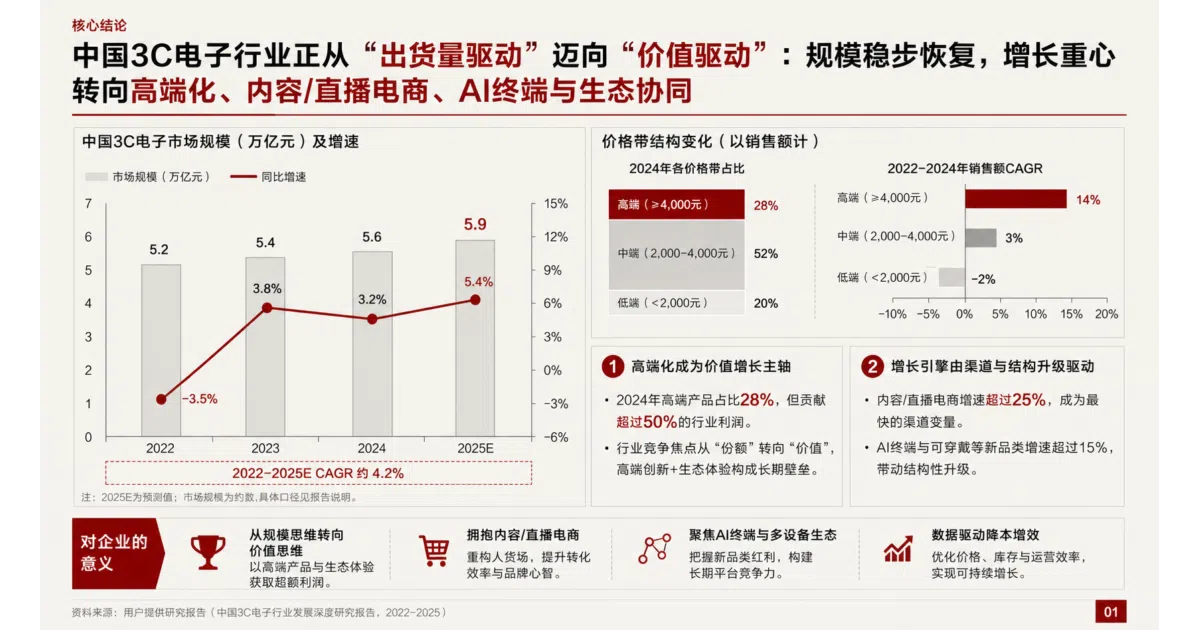
CyberPPT forces a Codex agent through evidence chains, visual blueprints, and fifteen quality gates to turn raw documents into dense, editable, consulting-style slides instead of lazy skeleton decks.
Not currently ranked — collecting fresh signals.
star history
What it does
CyberPPT is a Codex Skill that ingests documents, research, and business data, then generates high-density, consulting-style PowerPoint files. It runs a three-phase workflow—material analysis, style selection from eight built-in palettes, and page-by-page PPTX restoration—to produce editable decks with auditable evidence chains. The output targets executive reports, board materials, and industry research, explicitly avoiding low-density storytelling or personal-expression slides.
The interesting bit
The project treats slide generation as a compliance exercise rather than a creative prompt. It subjects the agent to fifteen named quality gates—including evidence traceability, container-overflow checks, curve-tracing fidelity, and editable-layer verification—with strict instructions that any critical gate failure blocks delivery. The README is unusually candid about the agent’s tendency to “get lazy” and generate skeleton pages, and actively warns users to stop and correct the model mid-stream.
Key highlights
- Extracts facts, figures, and caveats from DOCX, PDF, TXT, and XLSX into an MBB-standard evidence table before any slide is planned.
- Locks visual direction through a full-page ImageGen blueprint for every slide before PPTX generation begins.
- Enforces fifteen QA gates ranging from typography hierarchy to spatial registration;
validate_pptx.pywith the--strictflag must pass before delivery. - Separates complex visual assets from editable text layers so titles, body copy, and chart labels remain native PowerPoint objects.
- Ships eight fixed 16:9 color palettes, from “classic deep-red consulting” to “cold white-gray + deep purple.”
Caveats
- The README admits curve charts and small icons are the hardest elements to restore accurately, and warns that 100% fidelity requires expensive token spend and debugging.
- Because it relies on a Codex agent interpreting a Skill file, output quality depends heavily on user intervention—especially stopping the model from batch-generating pages and forcing it to restore “page by page.”
Verdict
Grab this if you regularly build dense, evidence-heavy boardroom decks and want an AI teammate that respects MBB discipline more than design flair. Skip it if you need quick, low-density narrative slides or expect fully hands-off automation.
Frequently asked
- What is crazyykhllc-bit/CyberPPT?
- CyberPPT forces a Codex agent through evidence chains, visual blueprints, and fifteen quality gates to turn raw documents into dense, editable, consulting-style slides instead of lazy skeleton decks.
- Is CyberPPT open source?
- Yes — crazyykhllc-bit/CyberPPT is open source, released under the MIT license.
- What language is CyberPPT written in?
- crazyykhllc-bit/CyberPPT is primarily written in Python.
- How popular is CyberPPT?
- crazyykhllc-bit/CyberPPT has 1.6k stars on GitHub.
- Where can I find CyberPPT?
- crazyykhllc-bit/CyberPPT is on GitHub at https://github.com/crazyykhllc-bit/CyberPPT.