burness/tensorflow-101
TensorFlow 1.x nostalgia: a messy but honest learning scrapbook
A Chinese developer's personal notebook of TensorFlow experiments, from MNIST serving to anime colorization, with most explanations trapped on external blogs.
Not currently ranked — collecting fresh signals.
star history
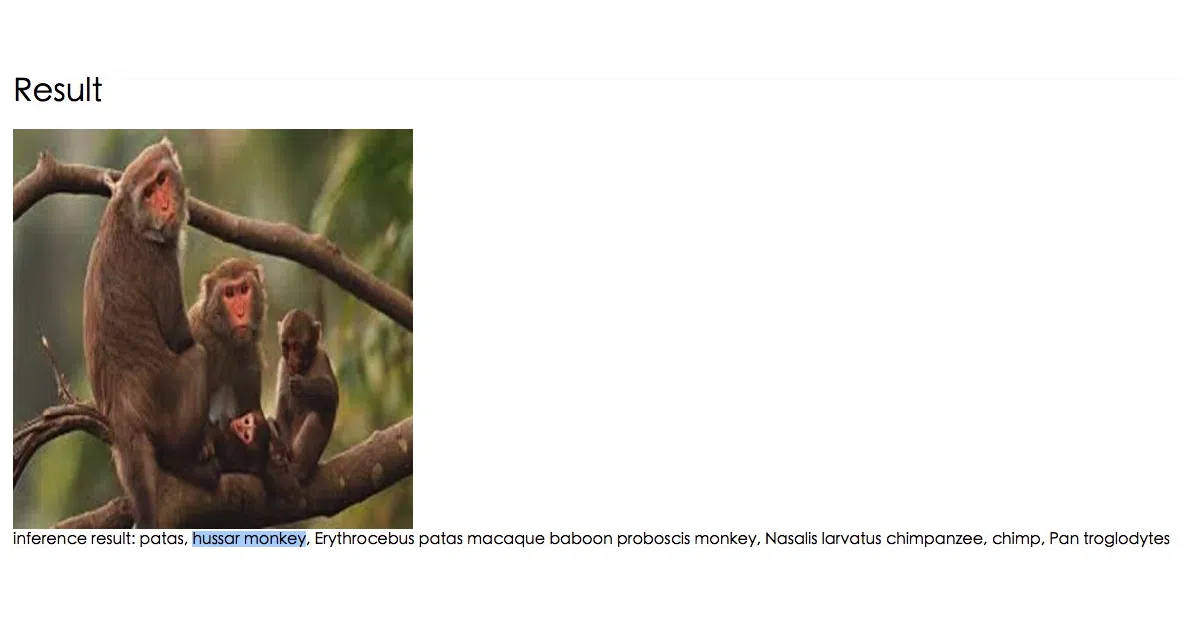
What it does This repo collects half a dozen TensorFlow 1.x experiments: MLP on MNIST, TFRecord conversion for the 102 Flowers dataset, fine-tuning with tf.slim, AC-GAN and Info-GAN implementations, a CGAN-based anime colorizer, Chinese handwritten character recognition, and classic-to-deep text classifiers (Word Count, TF-IDF, CNN, C-LSTM). Most pieces include a Flask wrapper for inference.
The interesting bit
The author actually shipped a live demo at demo.duanshishi.com and candidly notes the fine-tuning code came from a “porn detection” side project — a rare flash of autobiography in an otherwise terse README.
Key highlights
- GAN coverage is unusually broad for a personal repo: both AC-GAN and Info-GAN with result screenshots
- Includes practical deployment patterns: TensorFlow Serving for MNIST, Flask for fine-tuned models
- Chinese handwritten character recognition is a niche addition rarely found in English-centric tutorials
- Text classifier section compares classical NLP baselines against CNN/C-LSTM, not just deep learning
- Most experiments link to detailed Chinese blog posts with actual methodology
Caveats
- README is extremely terse; most context lives on external blogs (some links may rot)
- Heavily tied to TensorFlow 1.x APIs (tf.slim, old serving patterns) — largely historical now
- Data downloads depend on Baidu Pan, which is inaccessible without a Chinese account
- No tests, no requirements.txt, no clear dependency versions
Verdict Worth a quick browse if you’re reverse-engineering legacy TensorFlow 1.x patterns or need a working GAN reference in old TF. Skip it if you want production-ready code or modern TF 2.x/Keras idioms.
Frequently asked
- What is burness/tensorflow-101?
- A Chinese developer's personal notebook of TensorFlow experiments, from MNIST serving to anime colorization, with most explanations trapped on external blogs.
- Is tensorflow-101 open source?
- Yes — burness/tensorflow-101 is an open-source project tracked on heatdrop.
- What language is tensorflow-101 written in?
- burness/tensorflow-101 is primarily written in Python.
- How popular is tensorflow-101?
- burness/tensorflow-101 has 1.1k stars on GitHub.
- Where can I find tensorflow-101?
- burness/tensorflow-101 is on GitHub at https://github.com/burness/tensorflow-101.