brainlid/langchain
Elixir’s LLM Framework Refuses to Pretend It’s Python
Gives Elixir developers a functional, native way to chain LLMs, local models, and application logic without importing Python’s object model.
Not currently ranked — collecting fresh signals.
star history
What it does
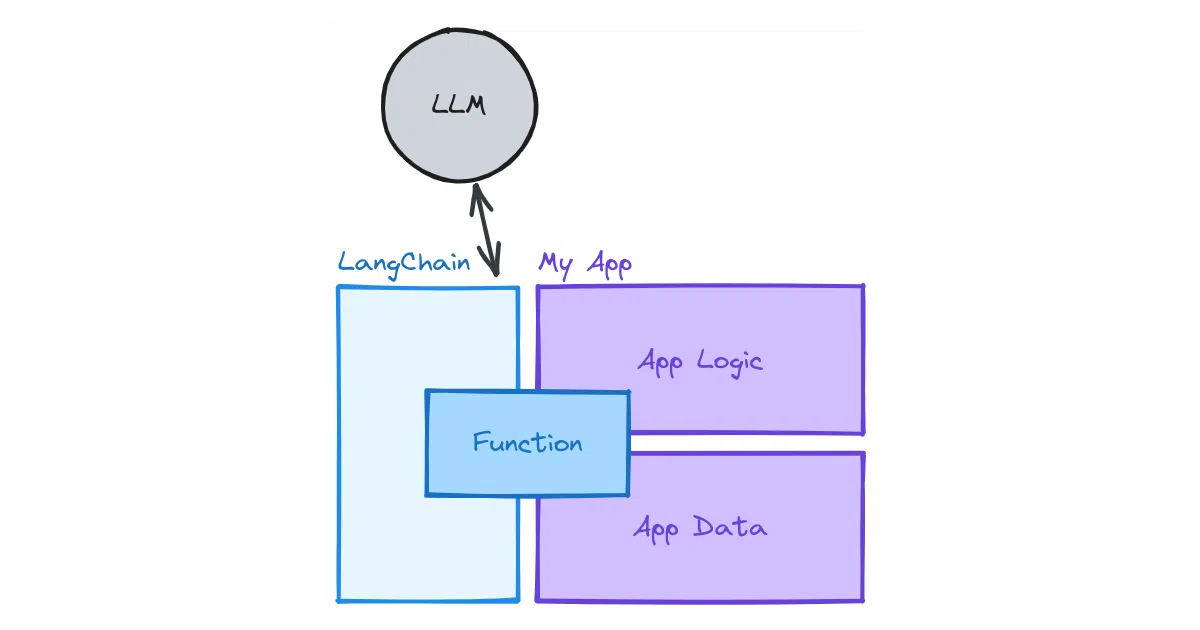
This library connects Elixir applications to large language models—both commercial APIs like Claude, GPT-4, Grok, and Gemini, and self-hosted options via Bumblebee and Ollama. It provides modular components and pre-built chains for common tasks, centered around the LLMChain module. You can also expose your own Elixir functions to the LLM as tools, complete with permission-aware context.
The interesting bit
Unlike ports of the Python and JavaScript LangChain libraries, this one embraces Elixir’s functional nature rather than fighting it. The author explicitly rejects object-oriented serialization parity and skips the conversation-history hacks needed back when LLMs lacked native chat support. That makes it less a translation and more a rethink of how LLM plumbing should work on the BEAM.
Key highlights
- Supports providers including Anthropic Claude, OpenAI, xAI Grok, Google Gemini, DeepSeek, Mistral, and AWS Bedrock Mantle (with third-party models like Moonshot Kimi K2)
- Self-hosting options via Bumblebee (Nx) and Ollama for fully offline inference
LangChain.Functionexposes custom application code to LLMs with user-scoped context and permissions- Prompt caching support for ChatGPT, Claude, and DeepSeek; streaming and tool calling across major providers
- Built on the
ReqHTTP client and requires Elixir 1.17+
Caveats
- Gemini context caching is explicitly not supported (requires a separate API call)
- No aim for parity with JS/Python LangChain, so cross-language serialization of prompts and chains will not work
- Provider-specific quirks (e.g., AWS Bedrock Mantle reasoning extraction) may require reading module-level documentation
Verdict
Worth a look if you run Elixir in production and want to add LLM features without maintaining Python microservices. Skip it if you need drop-in compatibility with existing Python or JavaScript LangChain ecosystems, or if you are not on Elixir 1.17+.
Frequently asked
- What is brainlid/langchain?
- Gives Elixir developers a functional, native way to chain LLMs, local models, and application logic without importing Python’s object model.
- Is langchain open source?
- Yes — brainlid/langchain is an open-source project tracked on heatdrop.
- What language is langchain written in?
- brainlid/langchain is primarily written in Elixir.
- How popular is langchain?
- brainlid/langchain has 1.2k stars on GitHub.
- Where can I find langchain?
- brainlid/langchain is on GitHub at https://github.com/brainlid/langchain.