baidut/OpenCE
A museum of low-light image enhancement, circa 2007–2018
One Matlab repo that collects two decades of contrast enhancement algorithms so you don't have to hunt them down yourself.
Not currently ranked — collecting fresh signals.
star history
What it does
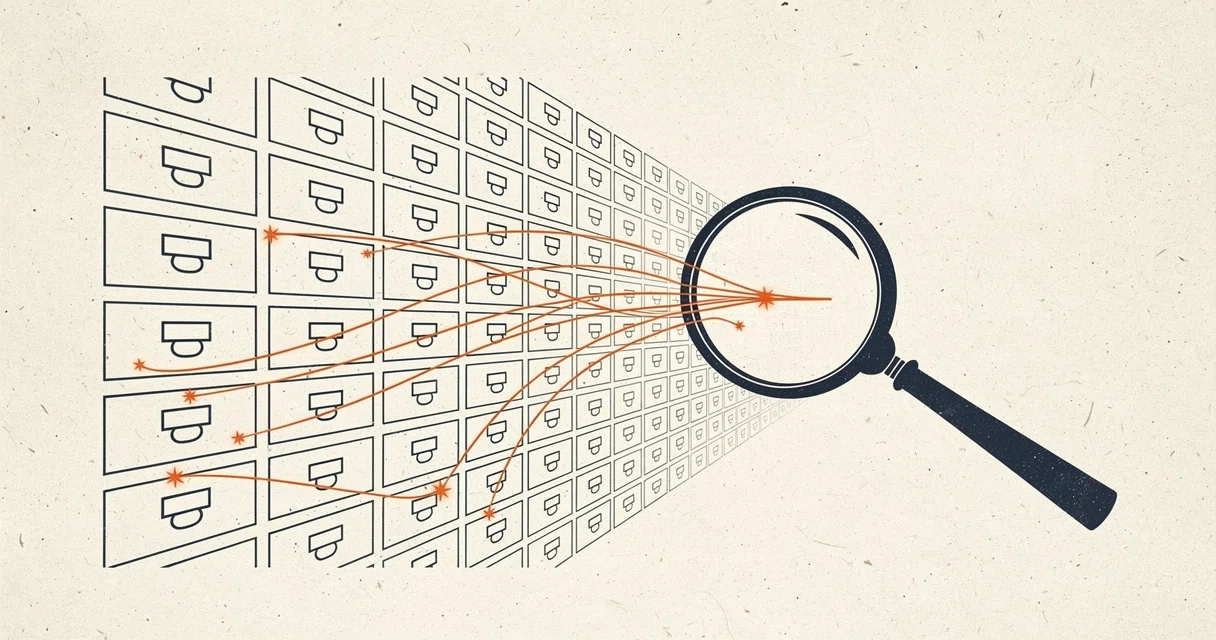
OpenCE is a curated anthology of low-light image enhancement methods implemented in Matlab. It gathers histogram equalization variants (CLAHE, BPDHE, WAHE), Retinex-based techniques (LIME, SRIE, MF), dehazing approaches, fusion methods, and even one deep-learning entry, each with citations and often original author links. The authors also include their own ICCV Workshop and CAIP papers in a dedicated ours folder.
The interesting bit
The real value isn’t novelty—it’s archaeology. Many of these papers’ original websites are dead or their code is scattered; this repo functions as a working reference implementation archive. The bundled test images (BSDS500, Kodak, plus 69 real camera captures) and evaluation metrics (entropy, EME, LOE, etc.) suggest someone actually tried to compare these methods rather than just list them.
Key highlights
- 15+ distinct methods spanning HE-based, Retinex, dehaze, fusion, and deep learning approaches
- Original implementations from cited papers, not just descriptions
- Includes authors’ own published work (ICCV 2017 Workshop, CAIP 2017)
- Standardized test sets and metrics for comparative evaluation
- Matlab-only, which will please some and horrify others
Caveats
- Matlab dependency means reproducibility requires a license; no Python or C++ ports except one external link
- README is essentially a bibliography with file paths—no usage examples, installation steps, or result comparisons shown
- “Deep-learning-based” section contains exactly one method (SICE); the “deep” label is more aspirational than representative
- No indication of which methods are state-of-the-art versus historical baseline; the 2007–2018 range is wide
Verdict
Grab this if you’re writing a literature review, benchmarking a new method against established baselines, or teaching image processing. Skip it if you need production-ready code, GPU acceleration, or anything that runs without a MathWorks subscription.
Frequently asked
- What is baidut/OpenCE?
- One Matlab repo that collects two decades of contrast enhancement algorithms so you don't have to hunt them down yourself.
- Is OpenCE open source?
- Yes — baidut/OpenCE is open source, released under the MIT license.
- What language is OpenCE written in?
- baidut/OpenCE is primarily written in Matlab.
- How popular is OpenCE?
- baidut/OpenCE has 526 stars on GitHub.
- Where can I find OpenCE?
- baidut/OpenCE is on GitHub at https://github.com/baidut/OpenCE.