aimagelab/dress-code
A high-res virtual try-on dataset with more paperwork than pixels
A dataset of 53,792 high-resolution garment pairs for image-based virtual try-on, bundled with pre-computed pose keypoints, parsing masks, and dense pose annotations so researchers can skip the usual preprocessing drudgery.
Not currently ranked — collecting fresh signals.
star history
What it does
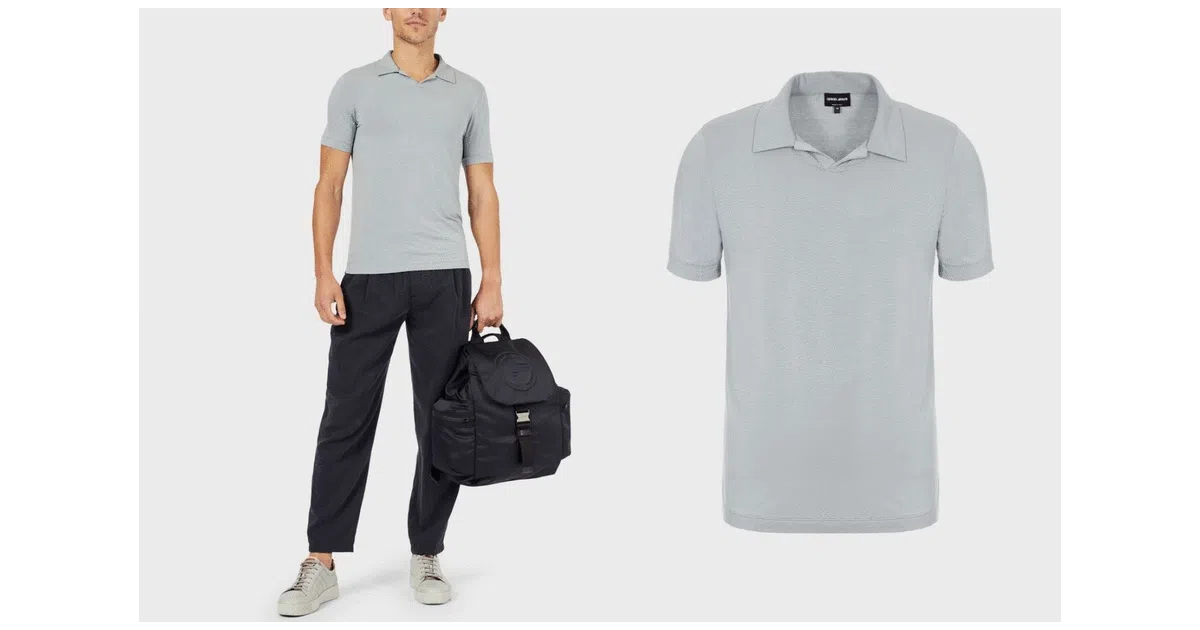
Dress Code is a dataset of 53,792 garment pairs—107,584 images total—scraped from YOOX NET-A-PORTER catalogs at 1024×768 resolution across upper-body, lower-body, and dress categories. Each pair includes a model photo and a corresponding garment image, plus pre-computed OpenPose keypoints, SCHP human parsing masks, and DensePose UV mappings. The repository provides an empty PyTorch project for loading the data, though the actual training code remains locked behind a firm collaboration agreement.
The interesting bit
Most virtual try-on papers spend half their energy re-deriving pose estimates and segmentation masks; Dress Code bundles all of that auxiliary data upfront, letting researchers skip straight to the generative modeling. The authors also benchmark their own method against seven prior approaches on a low-resolution 256×192 split, claiming top marks in SSIM, FID, and KID—without releasing the model weights.
Key highlights
- 53,792 garment pairs across three categories (upper body, lower body, dresses) at 1024×768
- Pre-extracted annotations: 18-point OpenPose keypoints, skeletons, 18-class SCHP human label maps, and DensePose dense labels
- Low-resolution benchmark table comparing CP-VTON, PFAFN, ACGPN, and others against the authors’ unpublished method
- Empty PyTorch data loader scaffold provided; training and inference code explicitly withheld
- Dataset gated behind institutional email verification, a mandatory physically-signed release agreement, and weekly manual review
Caveats
- No training code, model weights, or inference pipeline is available; only an empty data-loading project is supplied
- Access is heavily restricted: no private companies, non-institutional emails are rejected, and incomplete or unsigned release agreements are silently ignored
- The benchmark results are reported but not reproducible from this repository alone
Verdict
Academic researchers building image-based virtual try-on systems who need a large, annotated, multi-category fashion dataset will find the preprocessing alone worth the application paperwork. Developers hoping to clone and train a model this afternoon will leave empty-handed.
Frequently asked
- What is aimagelab/dress-code?
- A dataset of 53,792 high-resolution garment pairs for image-based virtual try-on, bundled with pre-computed pose keypoints, parsing masks, and dense pose annotations so researchers can skip the usual preprocessing drudgery.
- Is dress-code open source?
- Yes — aimagelab/dress-code is an open-source project tracked on heatdrop.
- What language is dress-code written in?
- aimagelab/dress-code is primarily written in Python.
- How popular is dress-code?
- aimagelab/dress-code has 664 stars on GitHub.
- Where can I find dress-code?
- aimagelab/dress-code is on GitHub at https://github.com/aimagelab/dress-code.