Tramac/awesome-semantic-segmentation-pytorch
A no-nonsense PyTorch zoo for semantic segmentation
It corrals twenty major semantic-segmentation architectures into one readable PyTorch codebase so you can stop reimplementing DeepLab from scratch.
Not currently ranked — collecting fresh signals.
star history
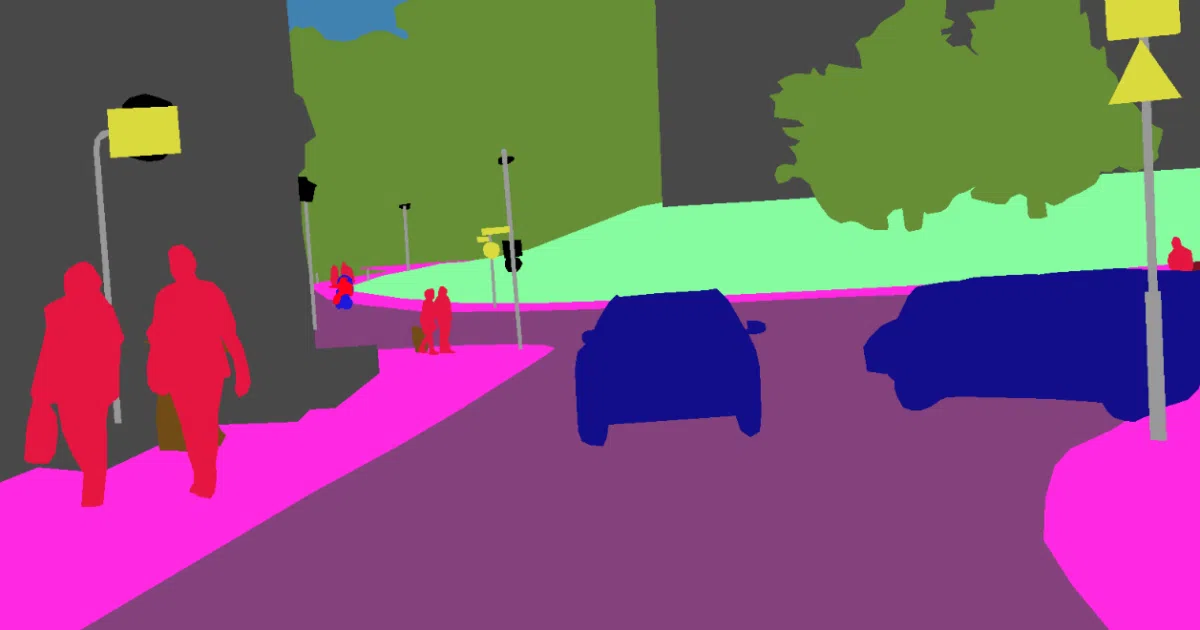
What it does This repo is a consolidated reference implementation of popular semantic segmentation models — FCN, PSPNet, DeepLabv3 and v3+, BiSeNet, DANet, and more than a dozen others — built in PyTorch. It bundles training, evaluation, and demo scripts with data loaders for standard benchmarks such as PASCAL VOC, Cityscapes, ADE20K, and COCO. The author bills it as a concise, modifiable reference rather than a heavyweight framework.
The interesting bit Instead of treating each paper as its own fiefdom with incompatible code, the project normalizes disparate architectures into a single shared codebase. That makes it trivial to swap a ResNet-backed FCN for a lightweight ENet or DFANet and observe the delta on the exact same data pipeline.
Key highlights
- Supports twenty architectures, ranging from classic FCN to recent efficient designs like LEDNet, Fast-SCNN, and DFANet.
- Includes dataset downloaders and loaders for VOC, Cityscapes, ADE20K, COCO, SBU-shadow, and LIP.
- Distributed multi-GPU training is supported via PyTorch’s launch utilities.
- Publishes a PASCAL VOC 2012 results table with Mean IoU and pixel accuracy for quick sanity checks.
- Code is explicitly structured to be readable and hackable.
Caveats
- The README’s To-Do list still shows unfinished tasks, including “remove syncbn” and a generic “train & evaluate.”
- Benchmark results are limited to PASCAL VOC 2012 for a handful of models; most architectures lack published scores here.
- Badges indicate PyTorch 1.1 and Python 2.x/3.x compatibility, so modern PyTorch versions may require minor tweaks.
Verdict A solid starting point for researchers who want to compare segmentation architectures or prototype modifications without rebuilding data pipelines. If you need a polished, production-grade platform with exhaustive pretrained weights, look elsewhere.
Frequently asked
- What is Tramac/awesome-semantic-segmentation-pytorch?
- It corrals twenty major semantic-segmentation architectures into one readable PyTorch codebase so you can stop reimplementing DeepLab from scratch.
- Is awesome-semantic-segmentation-pytorch open source?
- Yes — Tramac/awesome-semantic-segmentation-pytorch is open source, released under the Apache-2.0 license.
- What language is awesome-semantic-segmentation-pytorch written in?
- Tramac/awesome-semantic-segmentation-pytorch is primarily written in Python.
- How popular is awesome-semantic-segmentation-pytorch?
- Tramac/awesome-semantic-segmentation-pytorch has 3.1k stars on GitHub.
- Where can I find awesome-semantic-segmentation-pytorch?
- Tramac/awesome-semantic-segmentation-pytorch is on GitHub at https://github.com/Tramac/awesome-semantic-segmentation-pytorch.