Louis-CFM/coucou
The notch pet the studios teased — finally shipped, and useful
Design studios demoed adorable notch companions and never released them; Coucou is the open-source one, put to work watching your coding agents.
Velocity · 7d
+322
★ / day
Trend
↗accelerating
star history
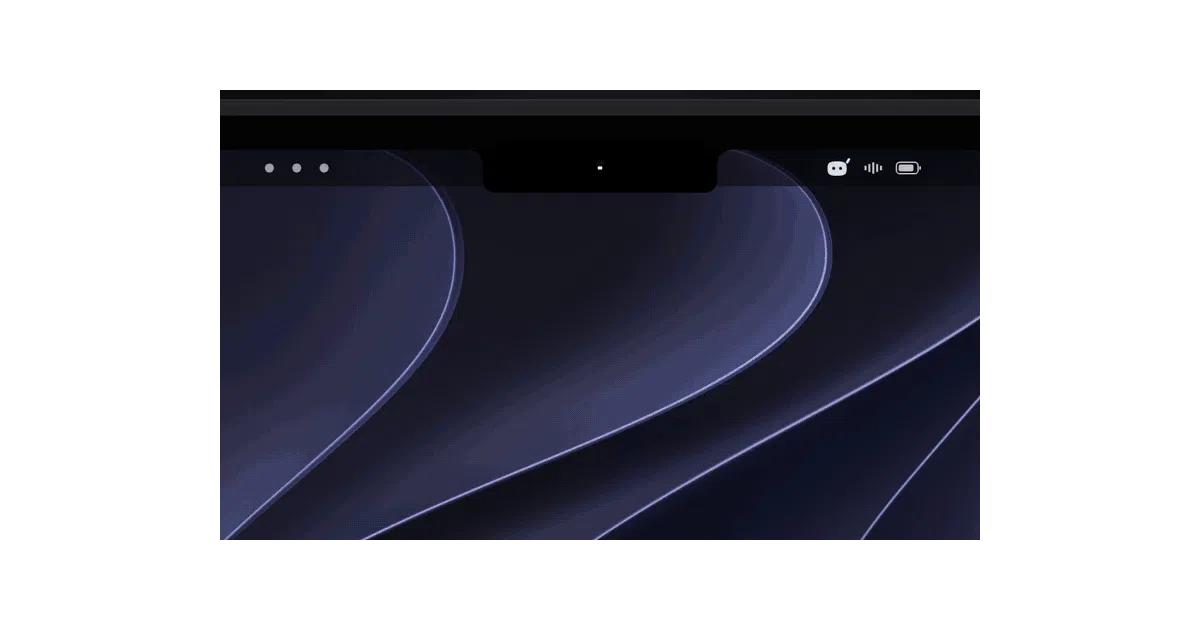
What it does Coucou parks a small animated character — Mochi, a squircle with eyes — inside your MacBook’s notch (or the top screen edge on Windows). From there it shows Claude Code sessions live: what’s being read, edited, and run, plus permission prompts you can Allow or Deny with one click. It also hosts a chat with Claude, swallows files dropped onto it, and attaches any window as context when you drag Mochi onto it. When nothing’s running, it hides.
The interesting bit
Mochi isn’t a Lottie file or a sprite sheet — it’s drawn procedurally in SwiftUI Canvas + TimelineView at 60 fps, eyes projected on a sphere, spring animations, 28 handcrafted WAVs, and the macOS app carries zero third-party dependencies. The plumbing is equally tidy: a tiny hook script forwards Claude Code events over a Unix socket, and if Coucou isn’t running the hook exits immediately — your agent is never blocked by a dead UI.
Key highlights
- Approve or deny Claude Code permission requests straight from the notch; jump to the exact terminal window of a session (macOS).
- Drop a file on the notch to ask about it (or email it via Mail.app on macOS); drag Mochi onto a window to attach it as context.
- Integrations — Stripe, n8n, GitHub, Vercel, Resend, Notion, Cal.com — each get their own colored Mochi; pollers pause when nobody’s watching.
- No telemetry, no account; keys live in the macOS Keychain or Windows Credential Manager, and the app only talks to the services you plug in.
- The Windows build is Tauri 2 (Rust + TypeScript): a transparent always-on-top window that never steals focus, with the same shapes, timings, and sounds.
Caveats
- The macOS build isn’t notarized yet, and the Windows installer is temporarily pulled over a Defender false positive — Windows users currently have to build from source.
- Code is MIT, but the name, the Mochi character, the icon, and the sounds are all-rights-reserved; forks need their own mascot.
- The repo description mentions Linux, but the README only documents macOS and Windows.
Verdict If you run Claude Code on a notched Mac and want ambient awareness plus one-click approvals, this is a genuinely charming utility. If animated mascots make you itchy, the approval flow alone probably won’t convert you.
Frequently asked
- What is Louis-CFM/coucou?
- Design studios demoed adorable notch companions and never released them; Coucou is the open-source one, put to work watching your coding agents.
- Is coucou open source?
- Yes — Louis-CFM/coucou is open source, released under the MIT license.
- What language is coucou written in?
- Louis-CFM/coucou is primarily written in Swift.
- How popular is coucou?
- Louis-CFM/coucou has 7.4k stars on GitHub and is currently accelerating.
- Where can I find coucou?
- Louis-CFM/coucou is on GitHub at https://github.com/Louis-CFM/coucou.