HumanSignal/label-studio
The Boring Infrastructure Every ML Pipeline Needs
Because someone has to label the training data, and it might as well not be in a spreadsheet.
Velocity · 7d
+8.6
★ / day
Trend
↗accelerating
star history
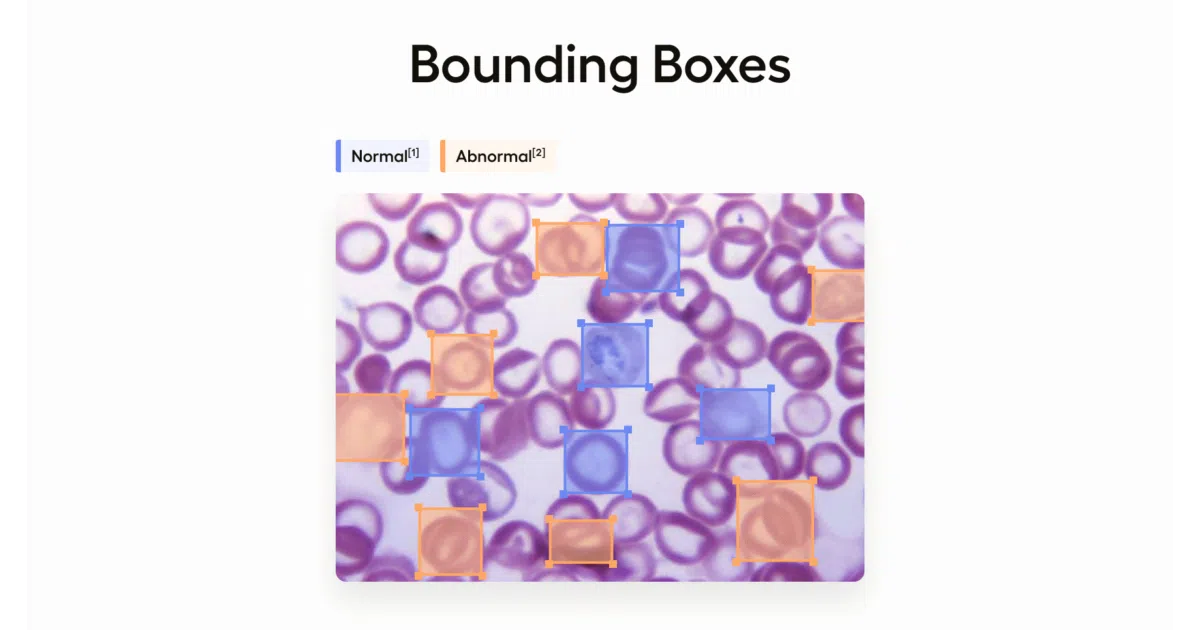
What it does Label Studio is a web-based workbench for annotating training data across images, audio, text, HTML, time series, and video. Teams can manage multiple projects, import raw data from cloud storage or flat files, and export annotations into formats ready for machine learning pipelines. It is built as a Django-backed server with a React frontend and exposes a REST API for pipeline integration.
The interesting bit Rather than stopping at human annotation, the tool hooks into external ML backends to pre-label data, compare predictions against human judgments, and drive active-learning workflows. That turns the UI from a passive canvas into a feedback loop for refining models.
Key highlights
- Multi-user support with per-account annotation tracking across concurrent projects
- Configurable label formats and built-in templates for common labeling use cases
- Imports from S3, Google Cloud Storage, JSON, CSV, TSV, RAR, and ZIP archives
- ML backend integration for pre-labeling, online learning, and active learning via a separate SDK
- Frontend and backend libraries can be embedded independently into existing tools
Caveats
- The default SQLite backend is explicitly described as “less performant”; production deployments require PostgreSQL
- Windows development requires manual installation of compiled wheel packages for dependencies such as
lxml - The boundary between the open-source core and the vendor’s commercial “Starter Cloud” offering is referenced but not detailed in the repository
Verdict A solid candidate if you need a modality-agnostic annotation layer with multi-user collaboration and ML backend hooks. Overkill if you just need a quick, single-purpose labeling widget.
Frequently asked
- What is HumanSignal/label-studio?
- Because someone has to label the training data, and it might as well not be in a spreadsheet.
- Is label-studio open source?
- Yes — HumanSignal/label-studio is open source, released under the Apache-2.0 license.
- What language is label-studio written in?
- HumanSignal/label-studio is primarily written in TypeScript.
- How popular is label-studio?
- HumanSignal/label-studio has 28.5k stars on GitHub and is currently accelerating.
- Where can I find label-studio?
- HumanSignal/label-studio is on GitHub at https://github.com/HumanSignal/label-studio.