chi111i/BypassAIGC
A desktop app that rewrites AI text to fool AI detectors
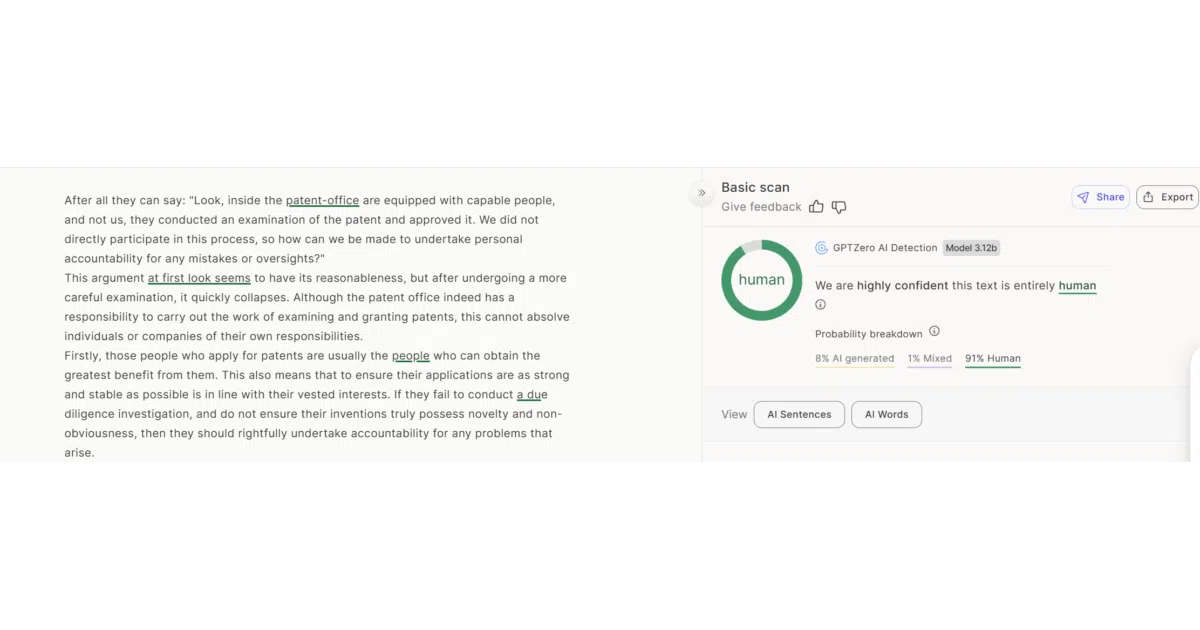
BypassAIGC polishes papers and runs them through a second "originality enhancement" stage specifically to beat GPTZero and similar scanners.
Not currently ranked — collecting fresh signals.
star history
What it does
BypassAIGC is a packaged desktop app (FastAPI backend, React frontend) that takes academic text and runs it through two LLM passes: first for standard polishing, then for “originality enhancement.” The goal is to make AI-generated prose slip past detectors like GPTZero. It ships as a standalone executable for Windows, macOS, and Linux with a built-in admin dashboard, license-key system, and usage quotas.
The interesting bit
The project treats beating detectors as a first-class feature, not a side effect. It explicitly recommends Google’s Gemini 2.5 Pro for both stages and disables streaming by default because Gemini’s API sometimes blocks streaming requests mid-generation. That’s a pragmatic workaround for a real API quirk, but it also means the tool is architected around the assumption that the delivery mode matters as much as the prompt.
Key highlights
- Two-stage pipeline: polish → enhance, with separate model configs for each stage plus a third “emotion” mode
- Pre-built binaries with zero install; auto-generates
.envon first run - Admin panel at
/adminfor key generation, live session monitoring, and database editing - Supports SQLite or PostgreSQL, optional Redis for concurrency queues
- GitHub Actions builds release artifacts automatically on version tags
Caveats
- License is CC BY-NC-SA 4.0 with an explicit “no commercial use without permission” clause
- Default admin password is
admin123and the README has to warn you to change it - Streaming is off by default due to Gemini API blocking behavior; turning it on may break things
Verdict
Graduate students in institutions that scan submissions with GPTZero will find this directly addresses their problem. Everyone else—including anyone who thinks detector-evasion is ethically murky—should look elsewhere.
Frequently asked
- What is chi111i/BypassAIGC?
- BypassAIGC polishes papers and runs them through a second "originality enhancement" stage specifically to beat GPTZero and similar scanners.
- Is BypassAIGC open source?
- Yes — chi111i/BypassAIGC is an open-source project tracked on heatdrop.
- What language is BypassAIGC written in?
- chi111i/BypassAIGC is primarily written in Python.
- How popular is BypassAIGC?
- chi111i/BypassAIGC has 2.1k stars on GitHub.
- Where can I find BypassAIGC?
- chi111i/BypassAIGC is on GitHub at https://github.com/chi111i/BypassAIGC.