GenielabsOpenSource/spine-animation-ai
SIFT keypoints, not diffusion: Claude rigs your Spine characters
Rigging 2D characters is hours of pixel-nudging — this skill hands the geometry to classical computer vision so you keep the art direction.
Collecting fresh signals — velocity needs a few days of history.
collecting data…
star history
What it does
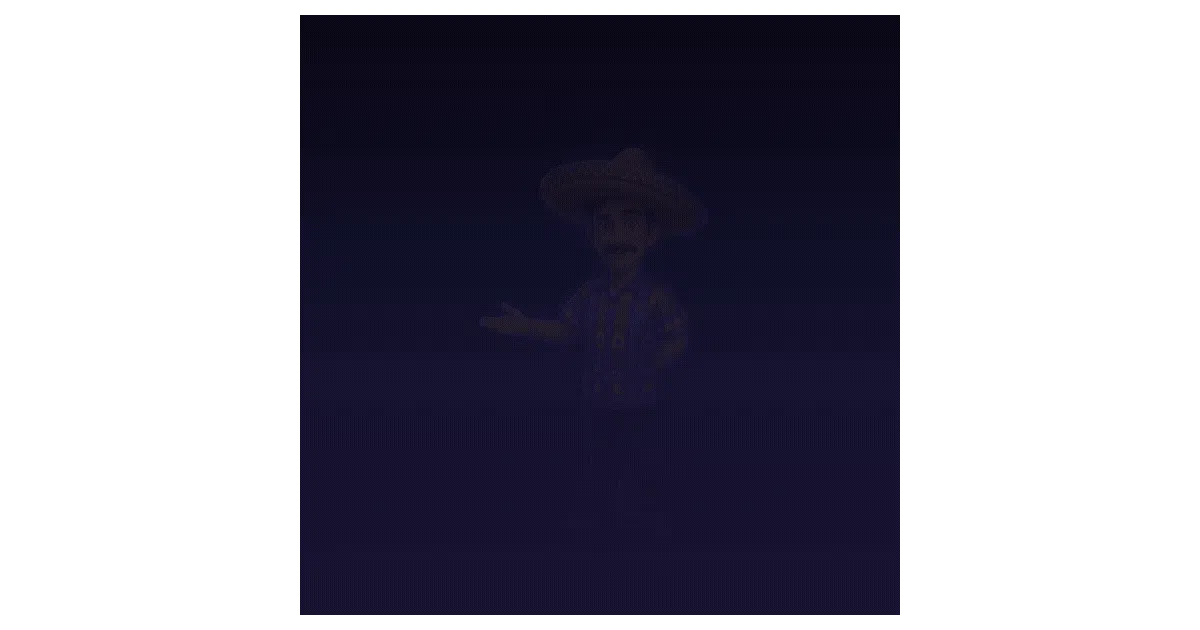
It’s a Claude agent skill — a single self-contained SKILL.md — that turns separated body-part PNGs into a working Spine 4.2 character. The pipeline positions each part against a reference image, builds the skeleton JSON with bone hierarchy and draw order, packs a texture atlas, and emits a self-contained HTML preview running the official Spine Web Player. It also ships six animation presets, proposes corrections to existing rigs in a reviewable format, and a new Reskin Studio repaints a rigged character from a one-line prompt via Gemini, re-slicing the result onto the live rig. A complete example — a 10-part, 16-bone sombrero character with a breathing idle loop — proves the whole chain works end to end.
The interesting bit
The cleverest engineering here is decades-old computer vision, not a language model: SIFT keypoints matched with FLANN, then a RANSAC-fitted similarity transform per part — deliberately chosen over full homography because stylized game art has too few features for one. Draw order comes from an occlusion graph: for each overlapping pair, pixels in the overlap are compared against the reference, the closer color wins “on top,” and a topological sort turns that into the z-order. Claude is the conductor, not the soloist.
Key highlights
- Similarity-transform placement with a template-matching fallback for parts too small to yield SIFT keypoints
- Draw order derived from per-pixel occlusion analysis rather than hand-tuned layer lists
- Six presets (idle, walk, run, wave, jump, attack) built from overlapping sine waves and bezier easing, with anticipation and follow-through
- The adjustment format records original offset, AI-suggested delta, and final value, so corrections stay reviewable and revertible
- The core pipeline runs locally on OpenCV, Pillow, and numpy; only character-splitting and reskinning call out to Gemini
Caveats
- PolyForm NC 1.0 — a non-commercial license, which matters a lot if you’re shipping a game
- The motion is procedural sine-wave presets, not learned animation; don’t come expecting a motion model
- The README still carries a TODO for the reskin demo gif, so that feature’s showcase is pending
Verdict
Indie devs who already live in Spine and Claude will save real hours on the placement-and-plumbing grind. If you wanted learned motion synthesis, or a license you can ship under, keep looking.
Frequently asked
- What is GenielabsOpenSource/spine-animation-ai?
- Rigging 2D characters is hours of pixel-nudging — this skill hands the geometry to classical computer vision so you keep the art direction.
- Is spine-animation-ai open source?
- Yes — GenielabsOpenSource/spine-animation-ai is an open-source project tracked on heatdrop.
- What language is spine-animation-ai written in?
- GenielabsOpenSource/spine-animation-ai is primarily written in Python.
- How popular is spine-animation-ai?
- GenielabsOpenSource/spine-animation-ai has 500 stars on GitHub.
- Where can I find spine-animation-ai?
- GenielabsOpenSource/spine-animation-ai is on GitHub at https://github.com/GenielabsOpenSource/spine-animation-ai.